Lavender
lavandula angustifolia
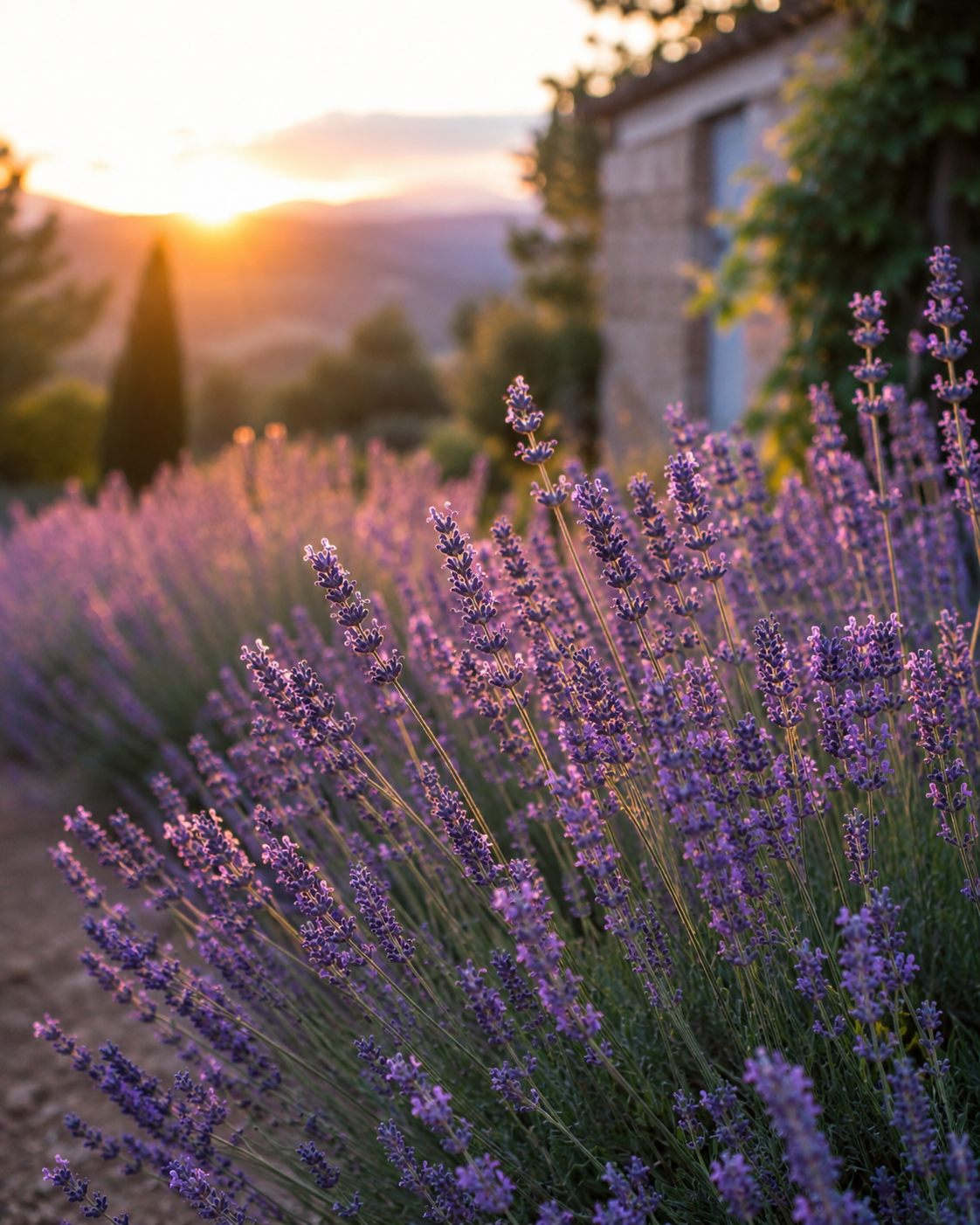
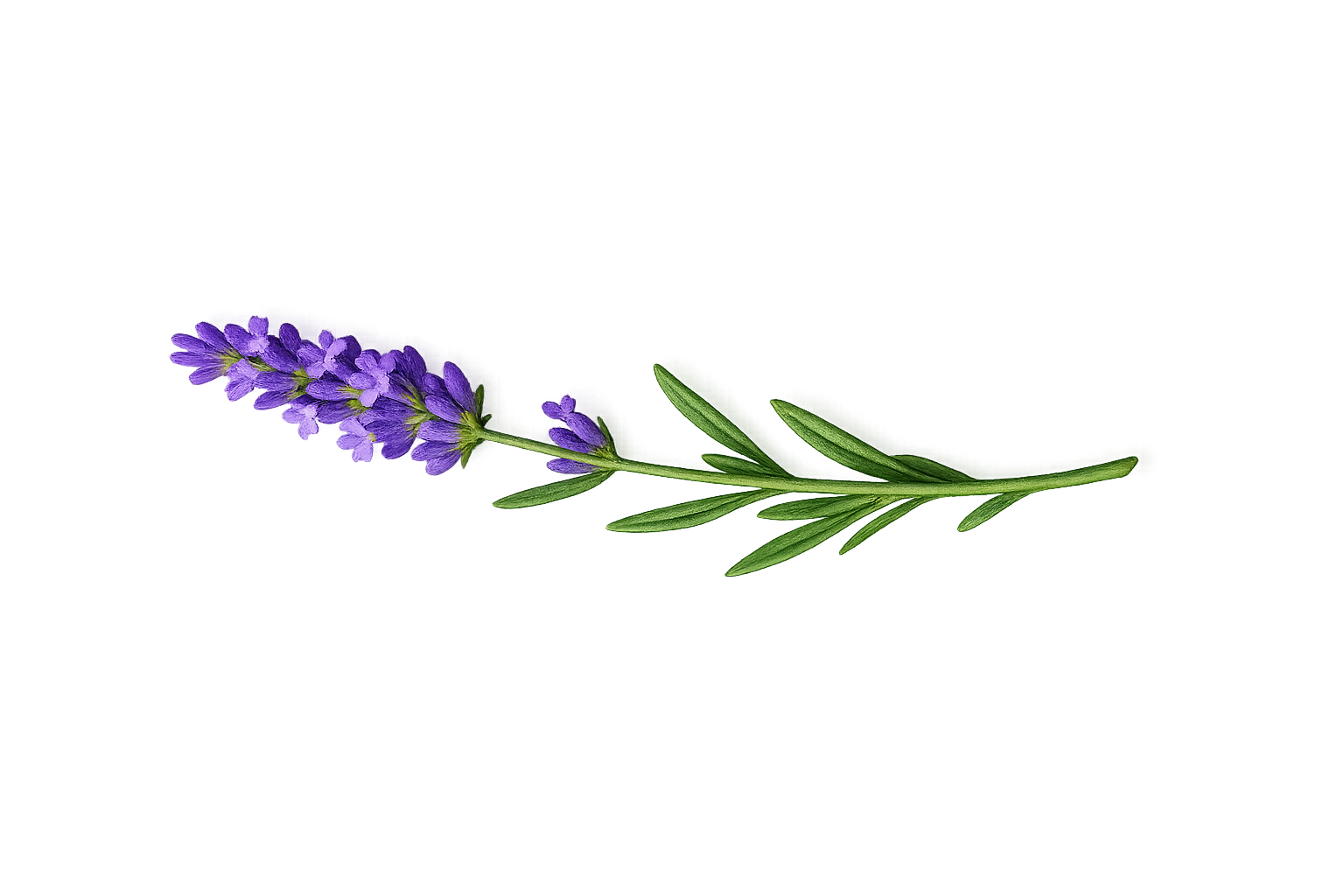
With its soft purple blooms and calming fragrance, lavender has been cherished for centuries as one of the most beloved herbs in gardens and home apothecaries. Known for its soothing aroma and gentle beauty, lavender is commonly used in teas, oils, sachets, skincare, and natural remedies to promote relaxation and comfort. Whether growing in the garden or dried for herbal use, lavender brings a sense of peace, warmth, and timeless cottage charm wherever it’s found.
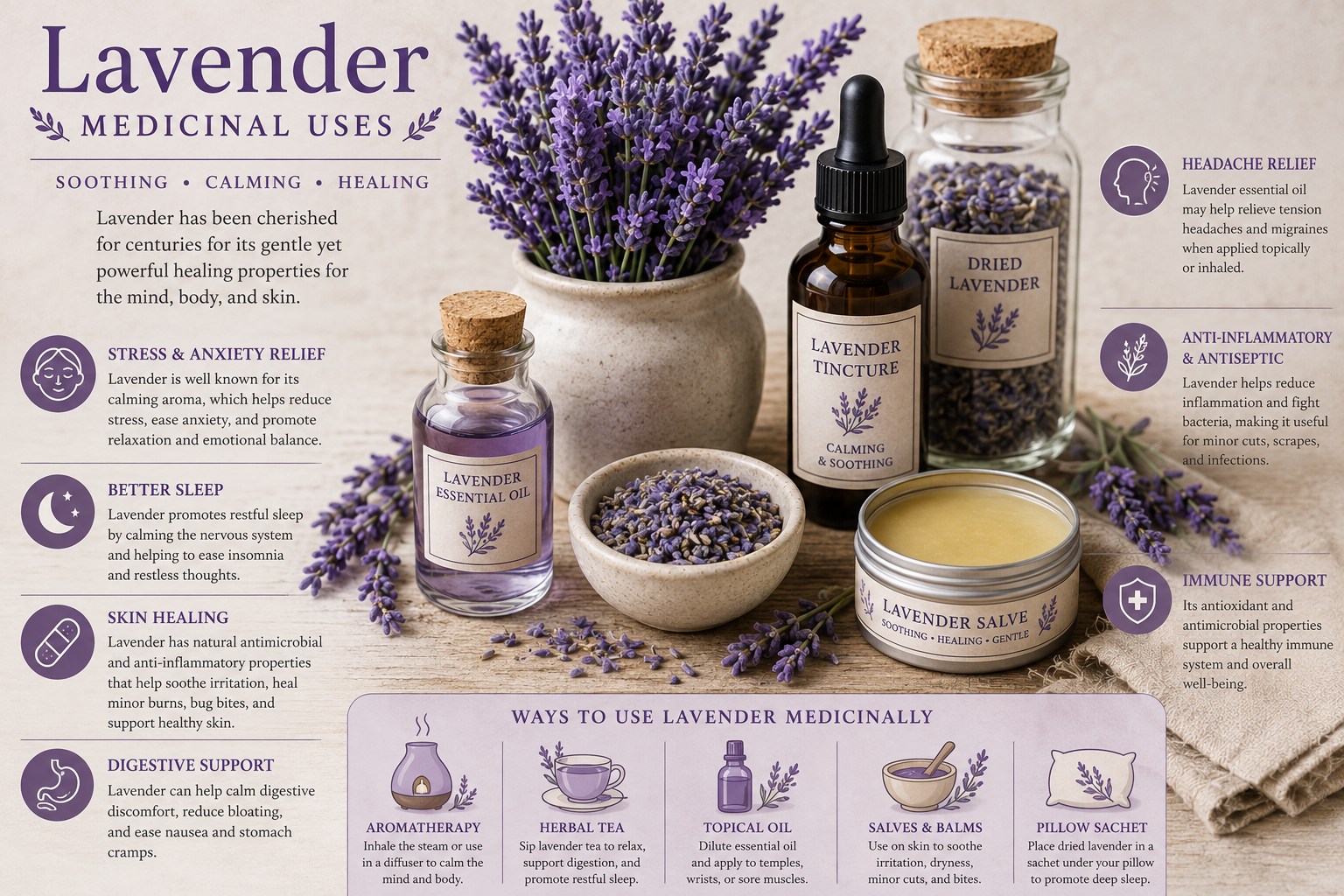
Lavender has been treasured for centuries as both a fragrant garden plant and a gentle medicinal herb. Known for its calming aroma and beautiful purple blooms, lavender is commonly used in herbal medicine, aromatherapy, teas, oils, salves, and bath products. Its medicinal benefits come primarily from its essential oils, especially compounds called linalool and linalyl acetate, which are associated with relaxing and soothing effects.
STRESS & HEADACHES
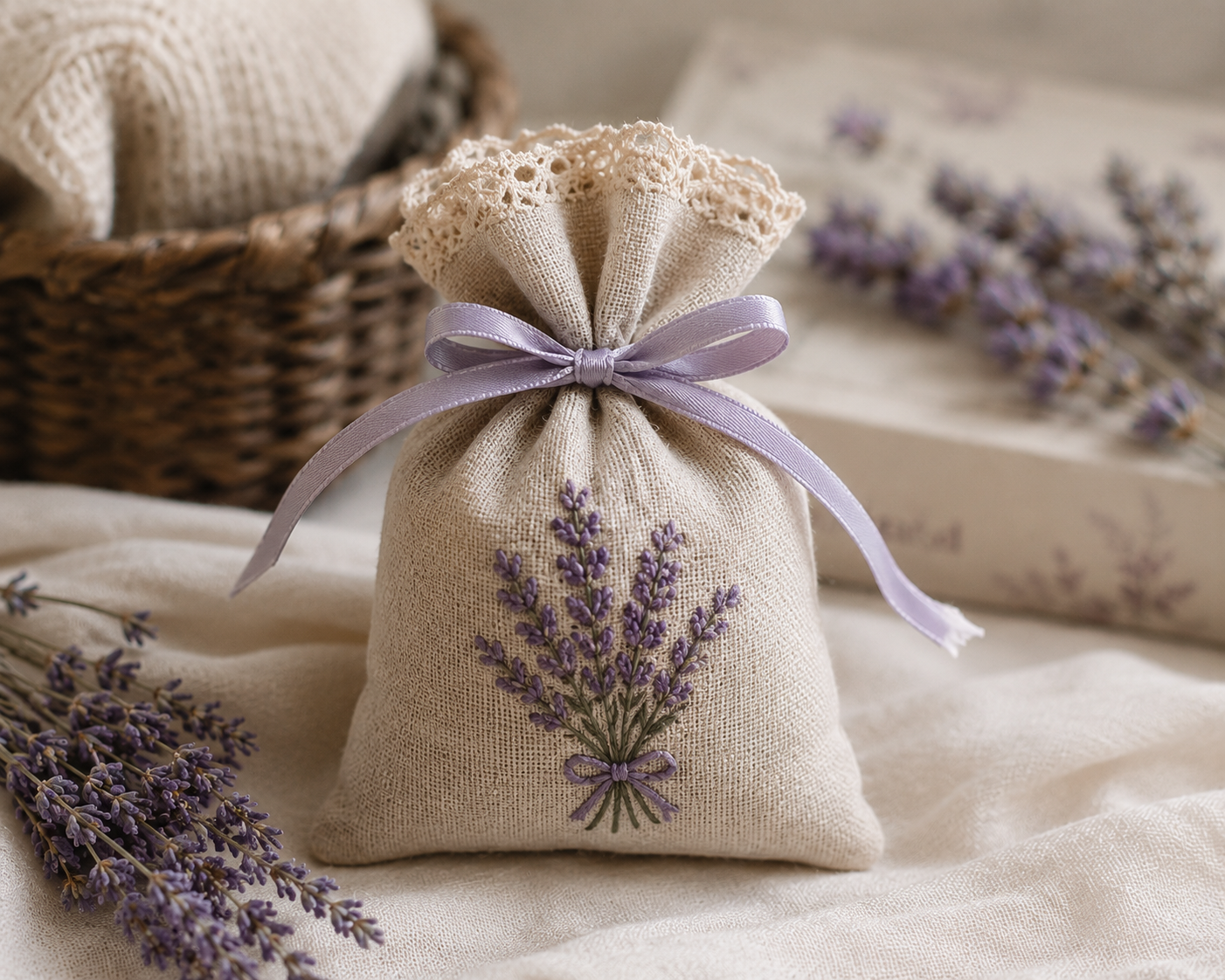
Lavender is perhaps best known for its calming and relaxing properties, making it a favorite herb for stress relief, headaches, and aromatherapy. Its soothing floral scent is often used to help ease tension, quiet the mind, and promote a sense of peace and emotional balance. Many people enjoy lavender in essential oils, teas, bath products, pillow sachets, and diffusers to encourage relaxation and restful sleep. In aromatherapy, lavender is commonly used to help relieve stress-related headaches and feelings of overwhelm, creating a gentle, comforting atmosphere that supports both mind and body.
SKIN HEALING
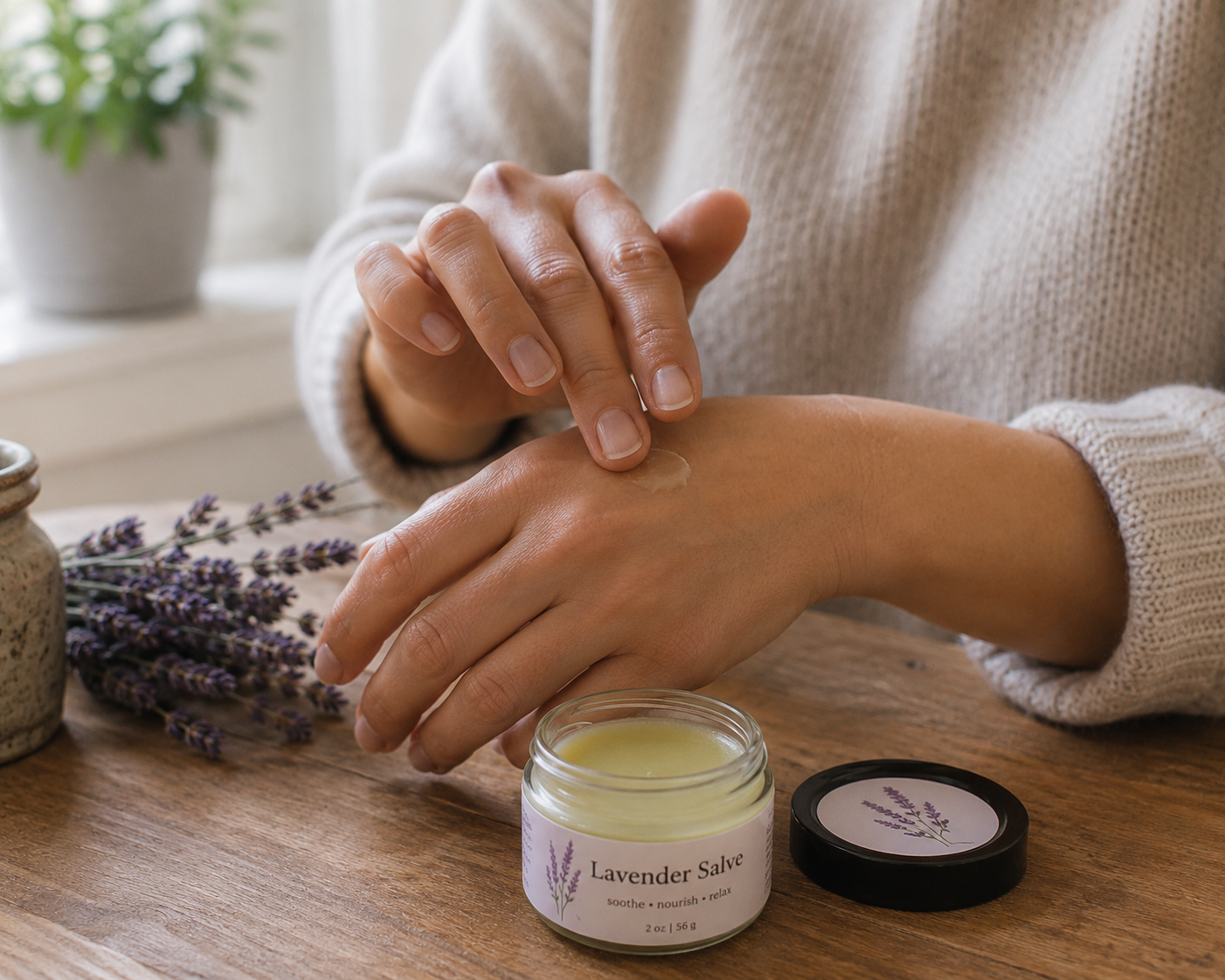
Lavender is often included in homemade herbal balms because it pairs beautifully with nourishing oils like olive oil, sweet almond oil, or coconut oil. The infused oil can then be blended with beeswax to create rich salves and creams that help lock in moisture.
Lavender is also popular in soothing bath and body products. Many people add dried lavender buds or a few drops of diluted lavender essential oil to warm baths to help relax both the skin and the nervous system. Its calming scent turns simple skincare into a comforting self-care ritual.
In traditional herbal practices, lavender has also been used in gentle after-sun care and in skin-soothing preparations alongside herbs like calendula and chamomile. The combination creates a soft, nourishing blend often used for sensitive or weather-worn skin.
Medicinal Uses & Health Benefits
RELAXING SLEEP AID
Lavender has long been used as a natural remedy to encourage restful sleep and relaxation. Its calming aroma is believed to help quiet the nervous system, ease anxious thoughts, and create a peaceful bedtime atmosphere. Many people use lavender essential oil in diffusers, pillow sprays, sachets, baths, or herbal teas as part of a calming nighttime routine. Simply inhaling the gentle floral scent of lavender may help the body unwind after a long day, making it easier to relax and drift into deeper, more restful sleep. Its comforting fragrance has made lavender a beloved staple in traditional herbal wellness and cozy bedtime rituals for generations.
DIGESTIVE AID
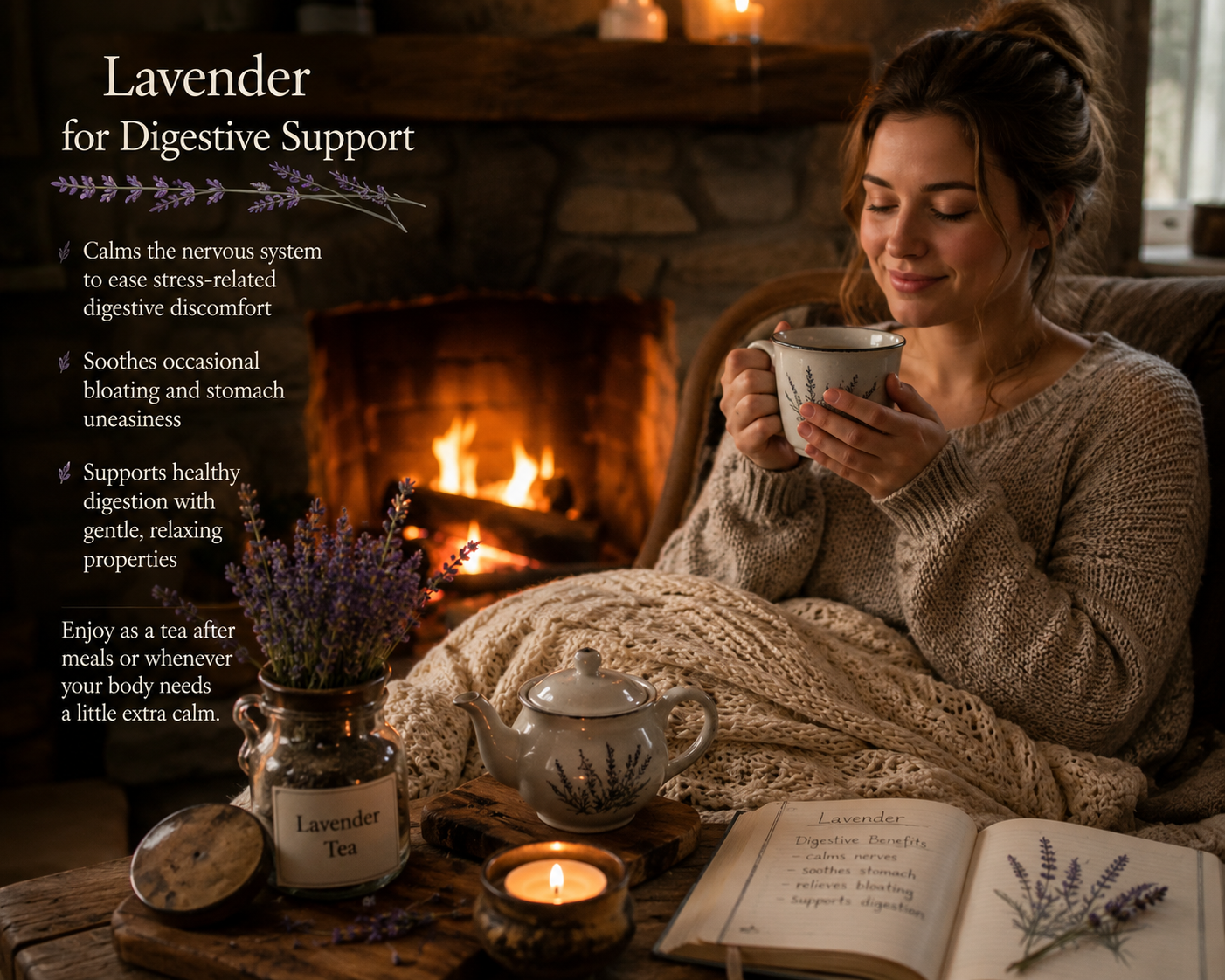
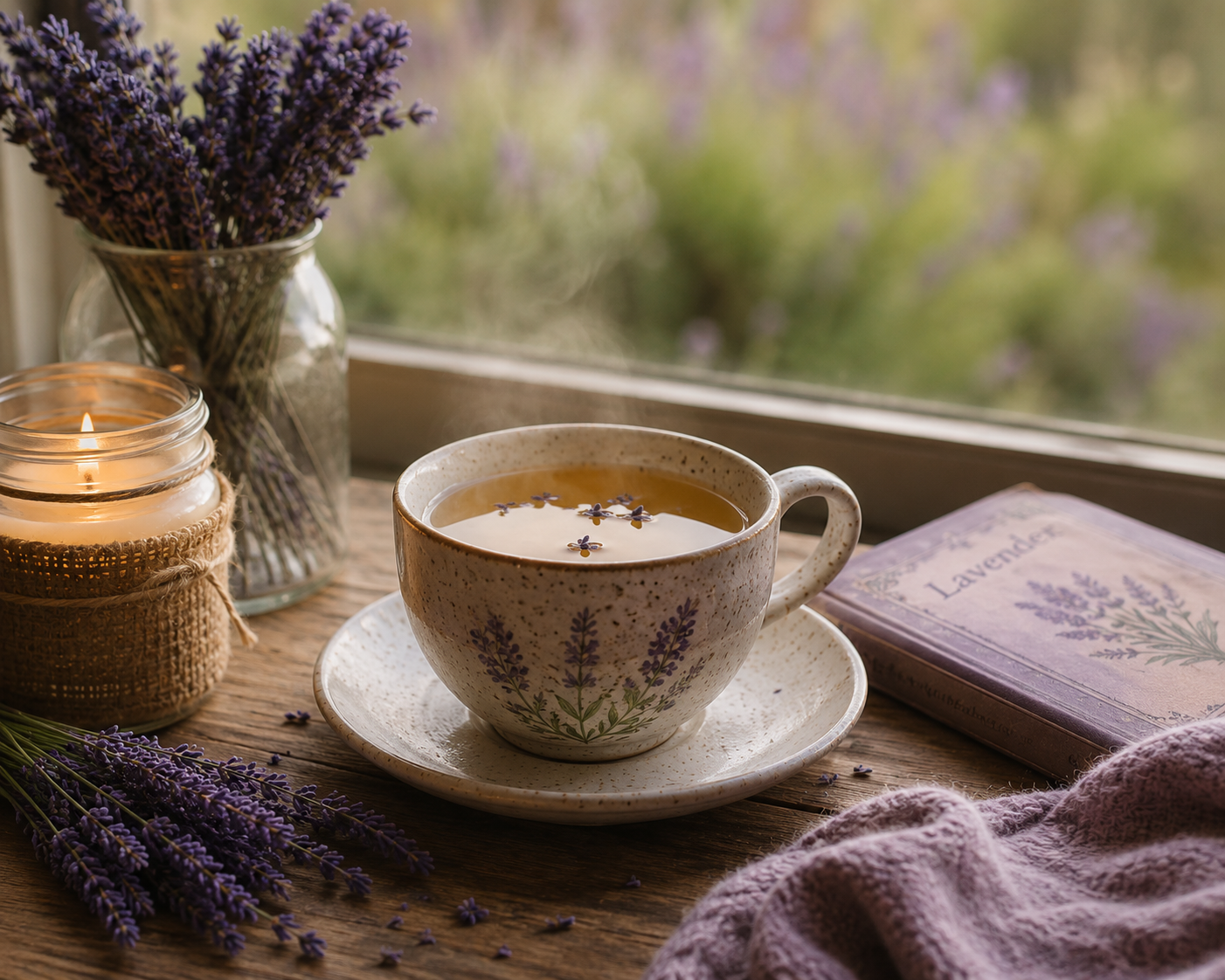
Lavender has traditionally been used to gently support digestive health, especially when discomfort is connected to stress or nervous tension. Herbalists have long prepared lavender as a calming tea to help soothe occasional bloating, stomach uneasiness, and digestive upset brought on by anxiety or emotional strain. Its naturally relaxing properties may help settle both the mind and the digestive system at the same time, making it a comforting herb to enjoy after meals or during stressful periods. Lavender is often blended with other soothing herbs like chamomile, peppermint, or lemon balm to create gentle digestive teas that encourage relaxation and overall digestive comfort.
Homemade Lavender Salve Recipe
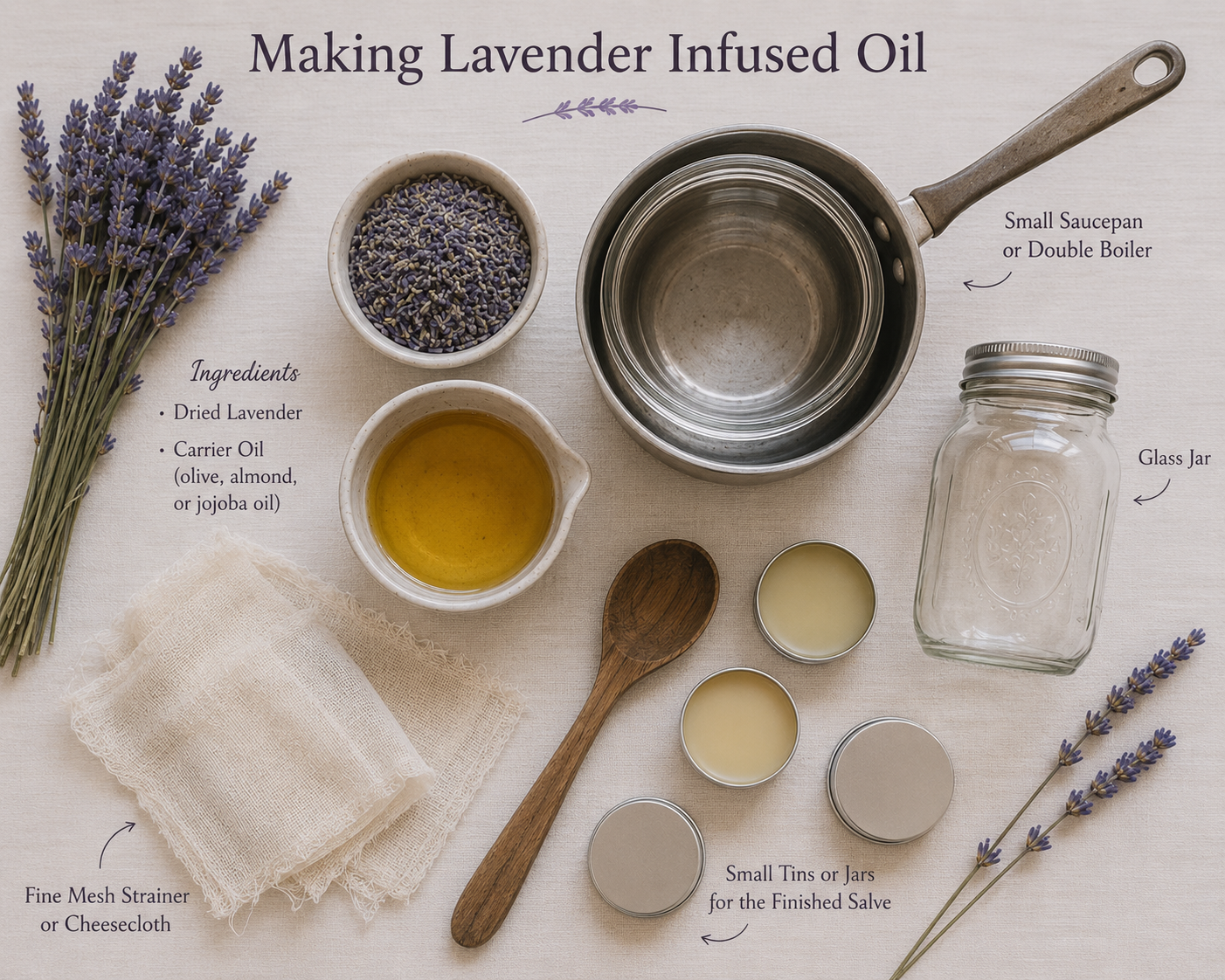
Ingredients
1 cup dried lavender buds
1 cup olive oil, sweet almond oil, or jojoba oil
1 ounce beeswax pellets
Optional: 10–15 drops lavender essential oil for extra fragrance
Optional: vitamin E oil for preservation
What You’ll Need
Small saucepan or double boiler
Glass jar
Fine mesh strainer or cheesecloth
Small tins or jars for the finished salve
Wooden spoon
For the Oil
Place the dried lavender and carrier oil into a heat-safe jar or double boiler.
Warm gently over very low heat for 2–3 hours. Avoid boiling — you want the herbs to slowly infuse the oil without burning. The oil will take on a soft herbal scent and golden hue.
Strain out the lavender using cheesecloth or a fine mesh strainer.
For the Salve
Pour the infused oil back into the double boiler and add the beeswax pellets.
Stir slowly until the beeswax melts completely.
If desired, add:
Lavender essential oil
A few drops of vitamin E oil
Carefully pour the warm salve into small jars or tins.
Let cool completely uncovered until solidified. Once set, place lids on the containers.
The salve will keep for about 6–12 months in a cool, dry place.
How to Grow Lavender
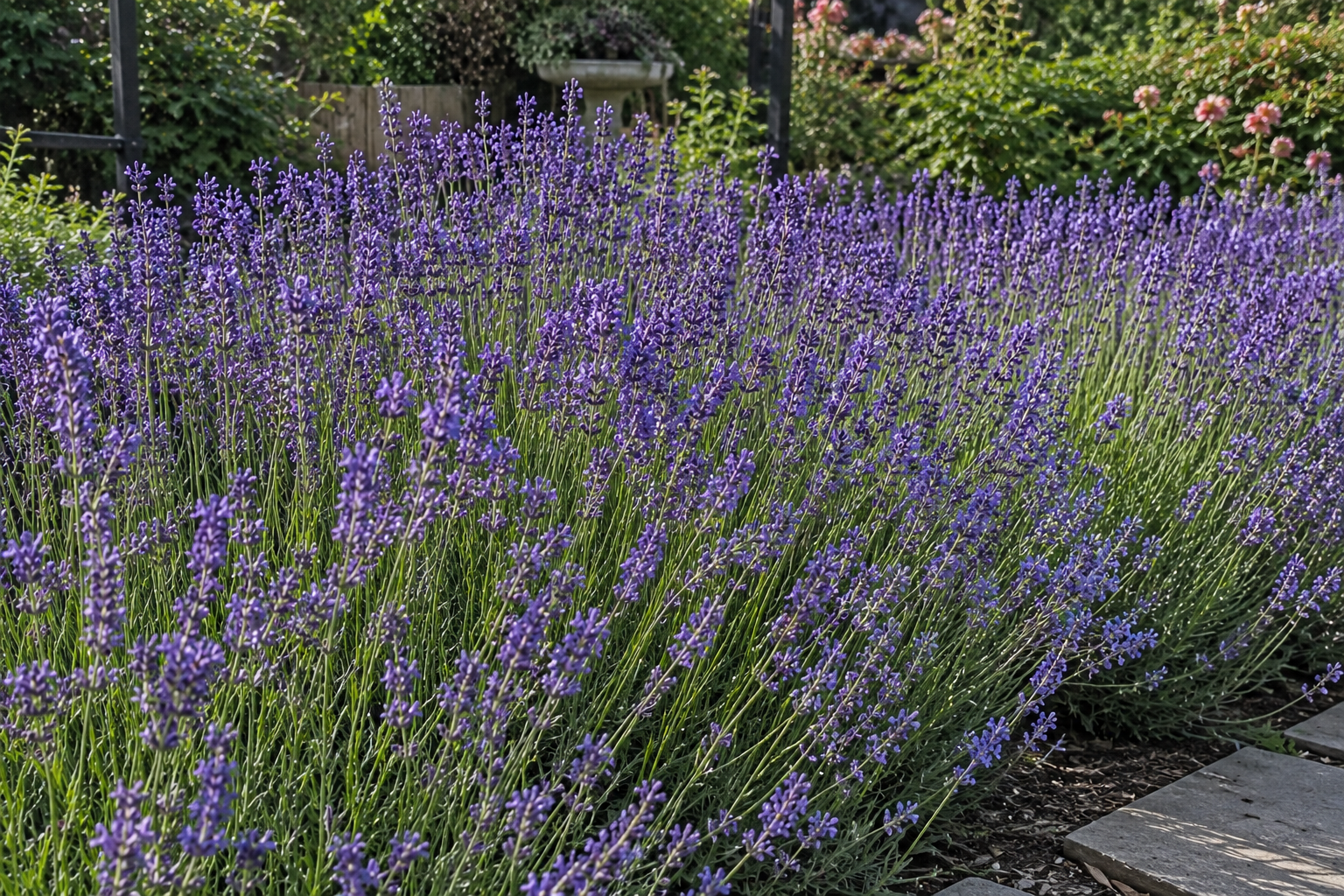
Lavender is a timeless garden favorite, treasured for its calming fragrance, soft purple blooms, and rustic beauty. Easy to grow and wonderfully versatile, lavender thrives in sunny spots with well-drained soil and rewards gardeners with months of color and scent. Whether tucked into cottage-style flower beds, planted along winding pathways, or grown for drying and homemade herbal remedies, lavender brings both charm and purpose to the garden. Its drought tolerance and ability to attract bees and butterflies make it as practical as it is beautiful, creating a peaceful, fragrant retreat right outside your door.
Choosing the Right Spot
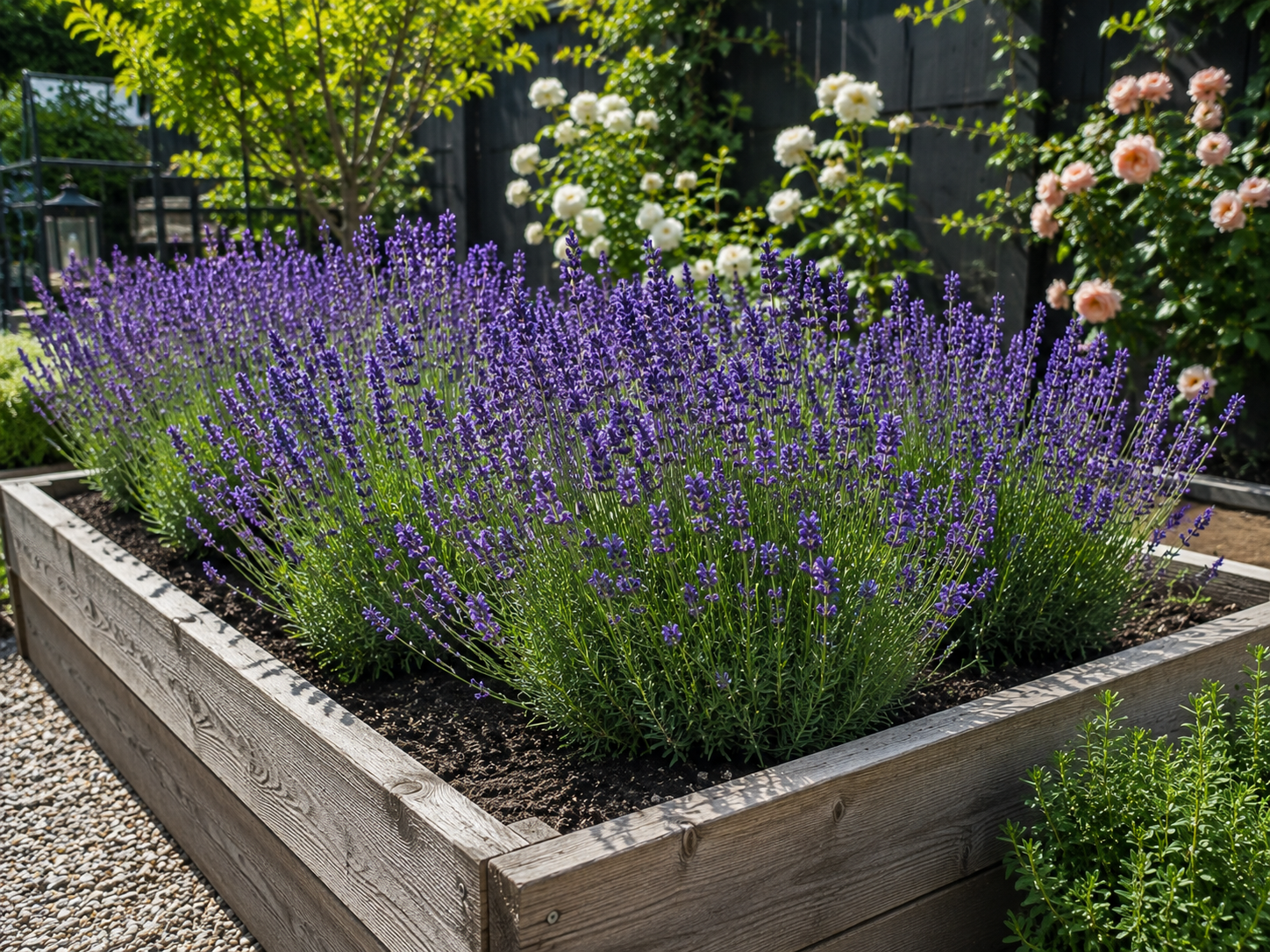
Lavender loves full sun and needs at least 6–8 hours of direct sunlight each day. Choose a warm, open area with good air circulation. The most important thing for healthy lavender is well-drained soil — lavender dislikes wet feet and can quickly rot in soggy ground.
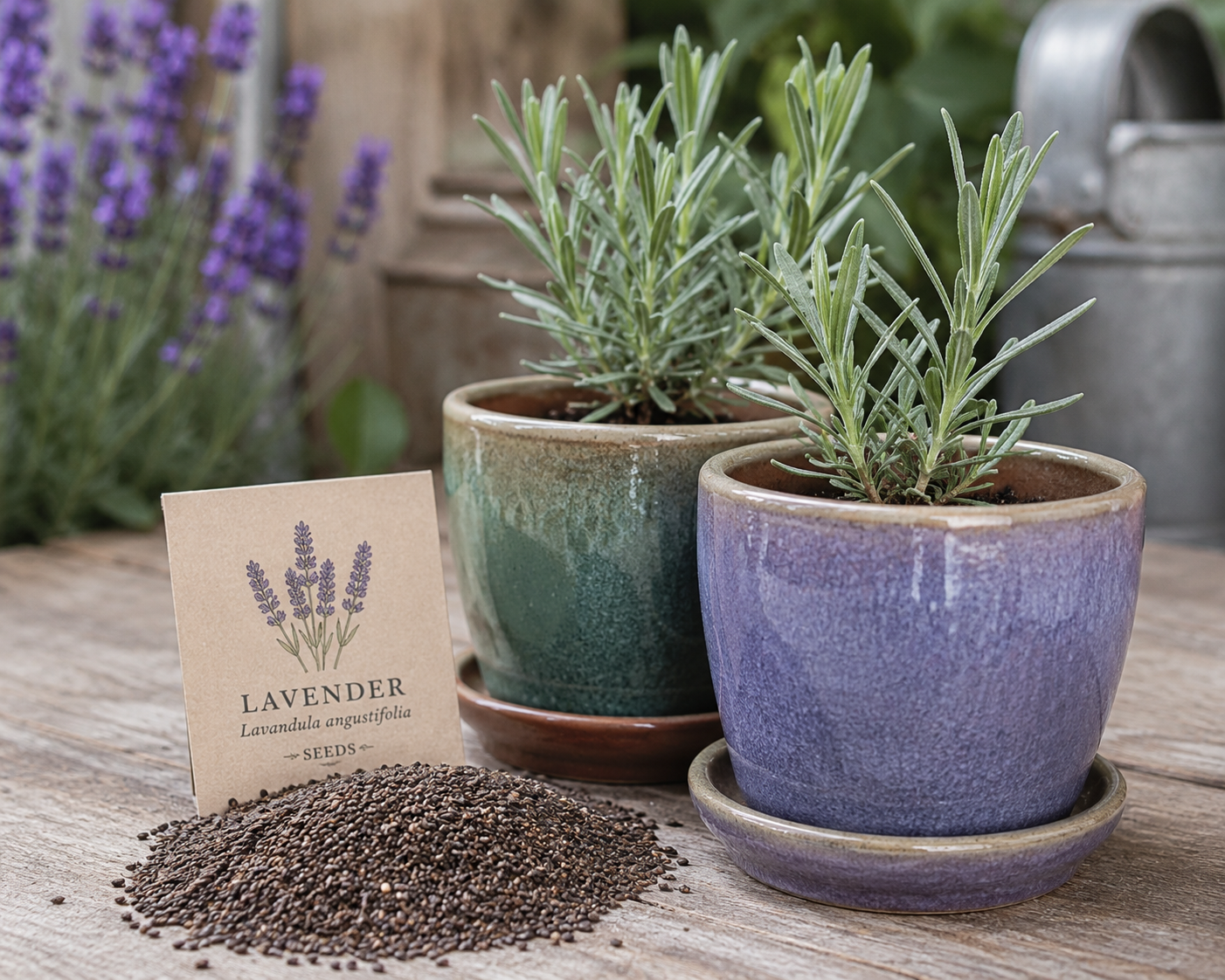
Raised beds, gravelly soil, and containers all work beautifully for growing lavender.
Watering
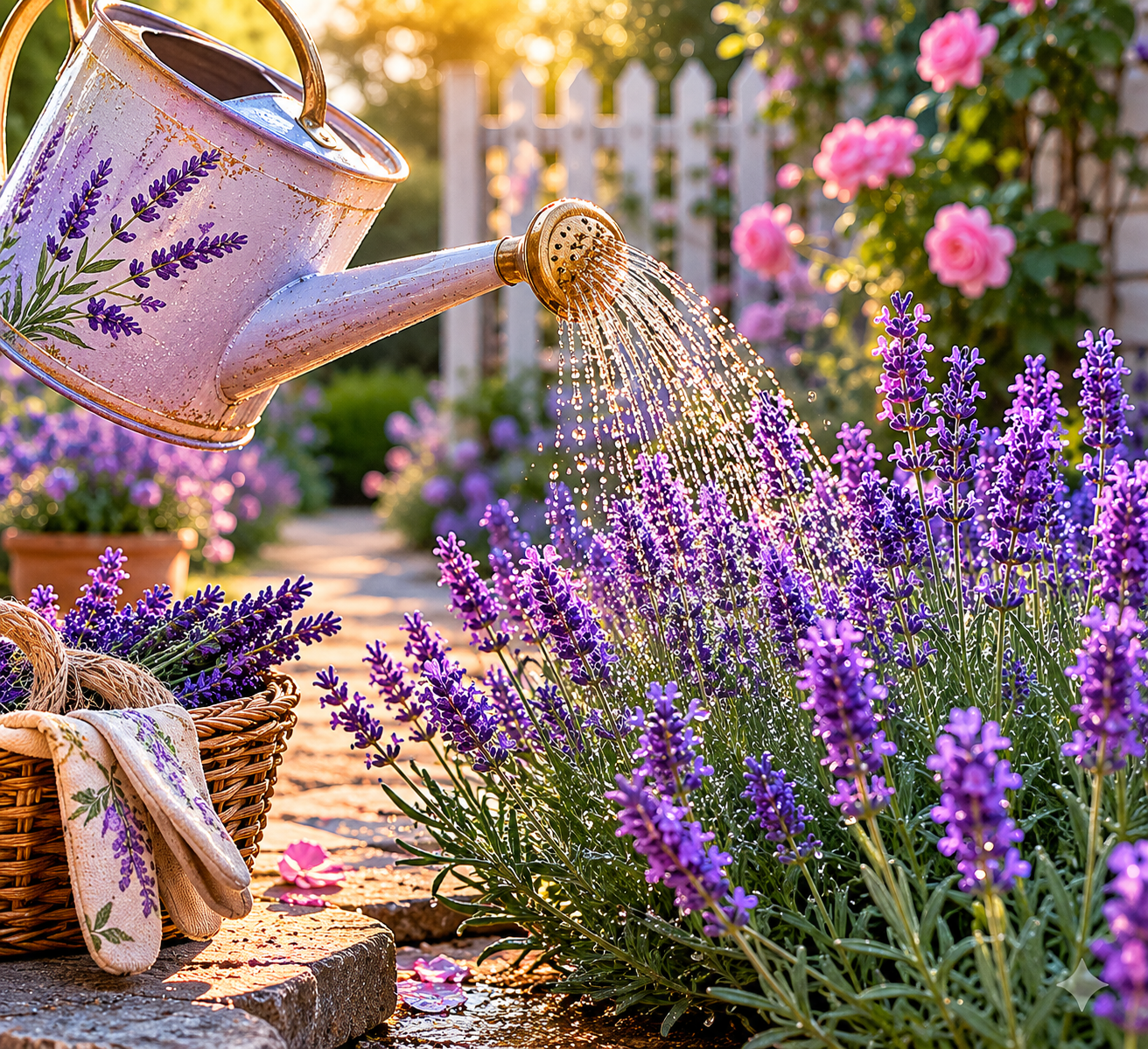
Lavender is drought tolerant once established. During the first growing season, water regularly while roots develop, but allow the soil to dry between waterings.
After establishment:
Water deeply but infrequently
Avoid overwatering
Reduce watering during cool or rainy weather
Too much moisture is one of the most common causes of lavender problems.
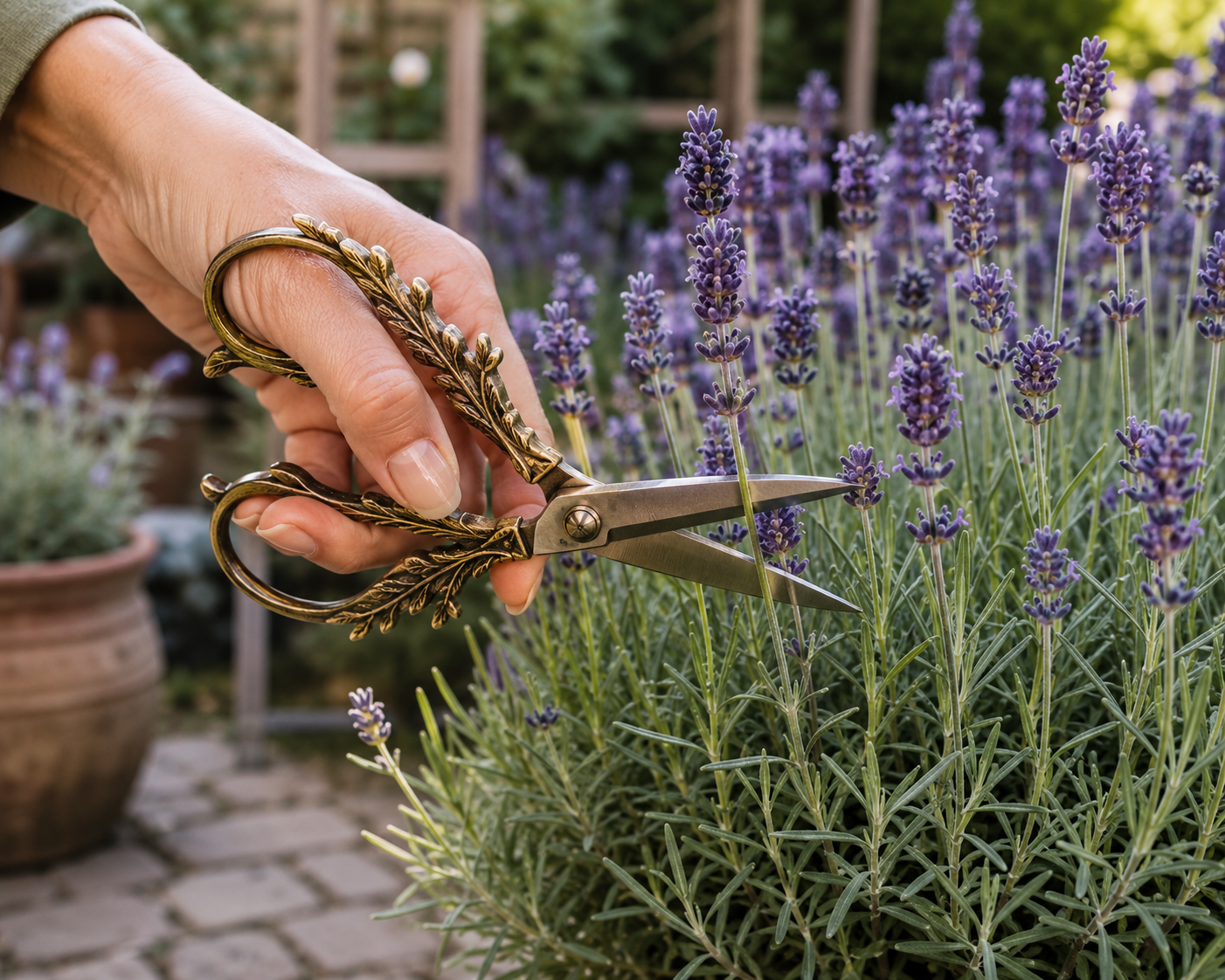
Harvesting Lavender
Harvest lavender when the flower buds have mostly formed but before all the flowers fully open. Cut stems in the morning after dew has dried for the strongest fragrance and oil content.
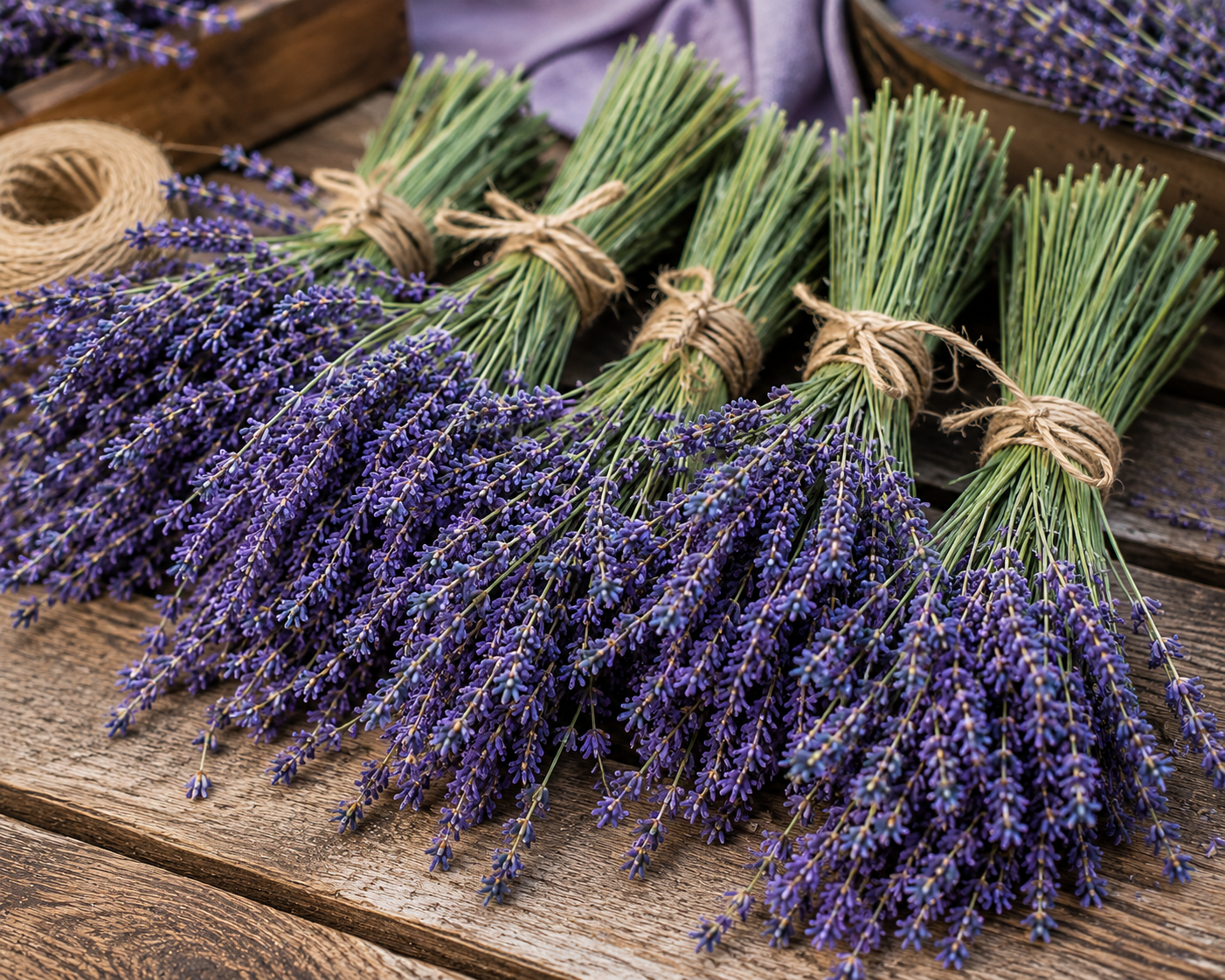
Bundle stems together and hang them upside down in a cool, dry place to preserve them for:
Teas
Sachets
Salves
Bath products
Dried arrangements
Planting Lavender
Starter plants are the easiest option for beginners. Spring is usually the best time to plant lavender, after the danger of frost has passed.
Space plants about 2–3 feet apart to allow airflow
Dig a hole slightly larger than the root ball
Mix in sand or gravel if your soil is heavy or clay-like
Plant at the same depth as the nursery pot
Water gently after planting
Pruning and Care
To keep lavender full and bushy:
Trim lightly after flowering
Prune about one-third of the plant in early fall or spring
Avoid cutting into old woody stems, as they may not regrow
Removing spent blooms also encourages fresh growth and keeps plants tidy.
If you have even a small sunny corner in your yard, lavender is a wonderful plant to grow and enjoy. Not only does it add beauty and fragrance to the garden, but it also offers a long history of gentle medicinal and calming uses. From soothing teas and relaxing bath products to homemade salves, sachets, and aromatherapy, lavender can bring comfort and peace into everyday life. Its calming scent is often used to ease stress, encourage restful sleep, and create a sense of relaxation in the home. Growing your own lavender allows you to harvest these fragrant blooms straight from the garden and turn them into simple, natural remedies and beautiful handmade creations to enjoy throughout the seasons.