

Aloe Vera
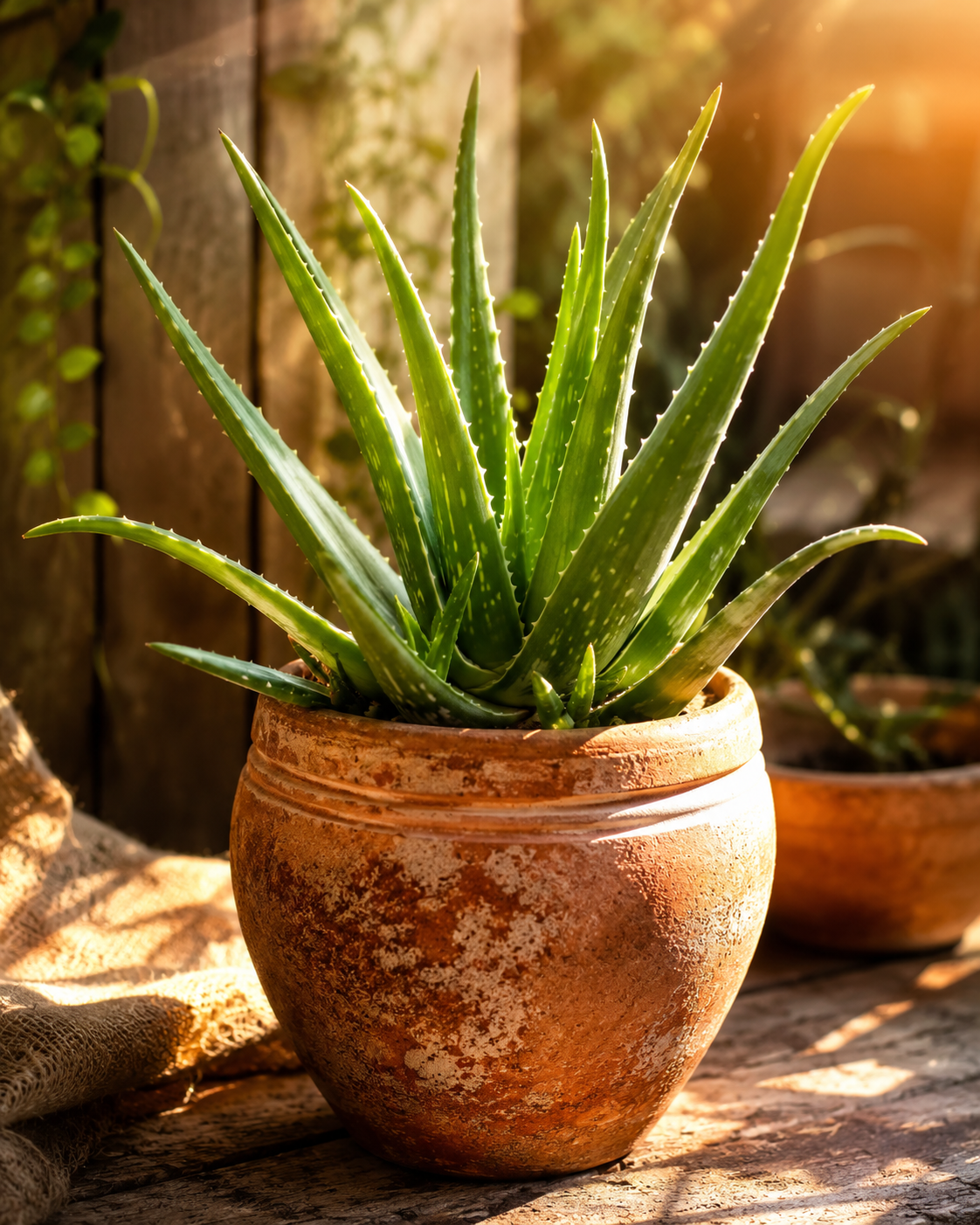
Aloe vera is one of the world's most beloved medicinal plants, treasured for centuries for its soothing, healing, and restorative properties. It has thick, succulent leaves filled with cooling gel prized for its ability to calm burns, moisturize dry skin, and support the body's natural healing processes, this hardy desert plant is both beautiful and remarkably useful. Whether grown on a sunny windowsill or harvested fresh from the garden, aloe vera remains a trusted herbal ally for natural wellness and everyday skin care.
Medicinal Uses
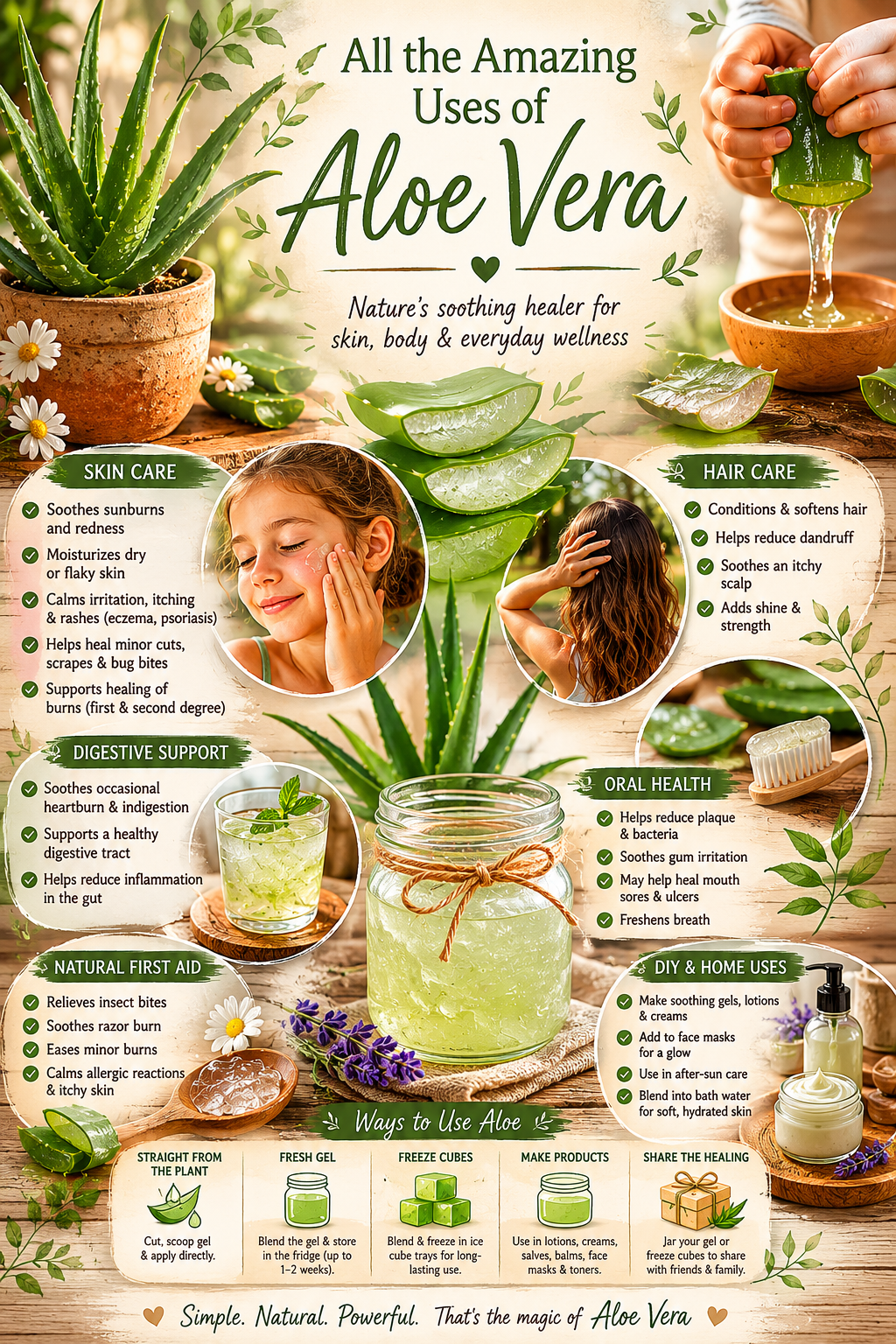
Aloe vera (Aloe barbadensis Miller) has been used medicinally for thousands of years and is one of the most widely studied healing plants. The clear gel found inside its leaves contains compounds with moisturizing, anti-inflammatory, antioxidant, and wound-healing properties. It’s even great for your hair!
Skin Healing and Burns
Aloe vera is best known for helping soothe minor burns, sunburns, and irritated skin. Research suggests that topical aloe vera may help speed the healing of first- and second-degree burns by supporting tissue repair and reducing inflammation.
Wound Care
The gel contains compounds such as acemannan that may encourage skin regeneration and help maintain a moist environment for healing. Aloe has been studied for minor cuts, scrapes, and other wounds, with evidence suggesting it can promote healing in some situations.
Moisturizing and Soothing Skin
Because aloe gel is mostly water, it provides lightweight hydration without feeling greasy. It is commonly used to calm dry, itchy, or irritated skin and may offer relief for conditions such as mild eczema and psoriasis.
Anti-Inflammatory Properties
Aloe vera contains natural compounds that may help reduce inflammation. This is one reason it is often used in creams, salves, and skin-care preparations designed to soothe redness and irritation.
Antimicrobial Activity
Studies have found that aloe vera possesses antibacterial, antifungal, and antiviral properties. While it is not a substitute for medical treatment of infections, these properties may contribute to its traditional use in skin care and wound support.
Digestive Uses
Historically, aloe has been used for digestive complaints. The inner gel has been studied for soothing digestive discomfort and symptoms of acid reflux. However, the yellow latex layer beneath the leaf skin acts as a strong laxative and is not generally recommended because it can cause significant side effects.
Oral Health
Some studies suggest aloe vera may help reduce dental plaque, soothe inflamed gums, and support healing of mouth sores when used in oral-care products.
Traditional Herbal Uses
Herbalists have traditionally used aloe vera for:
Minor burns and sunburns
Cuts and scrapes
Dry or irritated skin
Insect bites
Mild rashes
Digestive discomfort
Mouth sores and gum irritation
Using Aloe
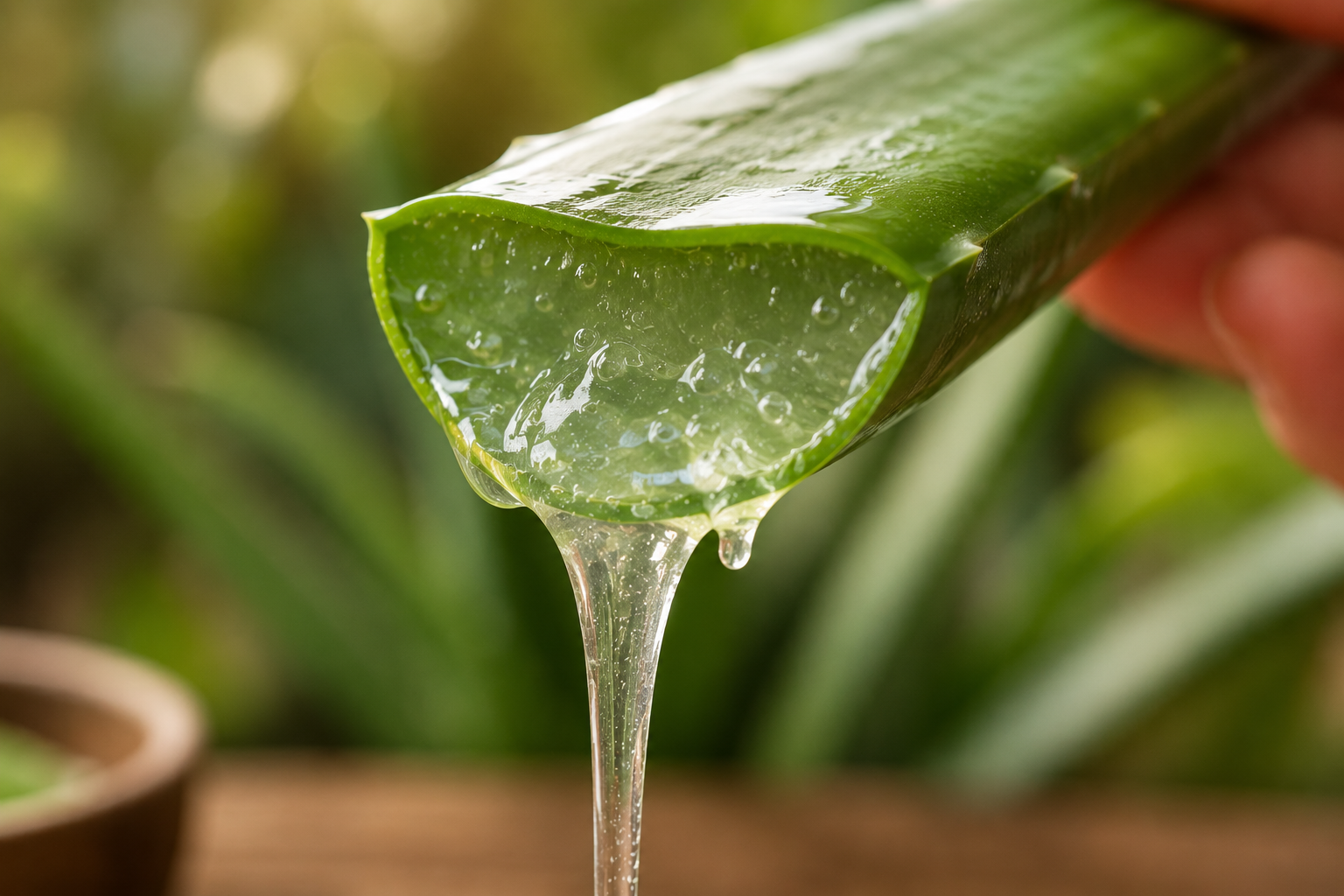
The most common use for aloe is fresh aloe gel, which is used for:
Sunburns
Minor burns
Dry skin
Bug bites
Small cuts and scrapes
Skin irritation
If you’re not using it fresh from the plant, the downside is that fresh gel only lasts about 1–2 weeks in the refrigerator, so if you harvest more than you can use right away, you'll want to preserve it or turn it into another product:
Lotions
Creams
Body butters
After-sun gels
Healing balms with preservatives
For a simple homemade aloe balm, you can combine:
¼ cup fresh aloe gel
2 tablespoons coconut oil
1 tablespoon shea butter
A few drops of lavender essential oil (optional)
Whip together and store in the refrigerator for up to a week.
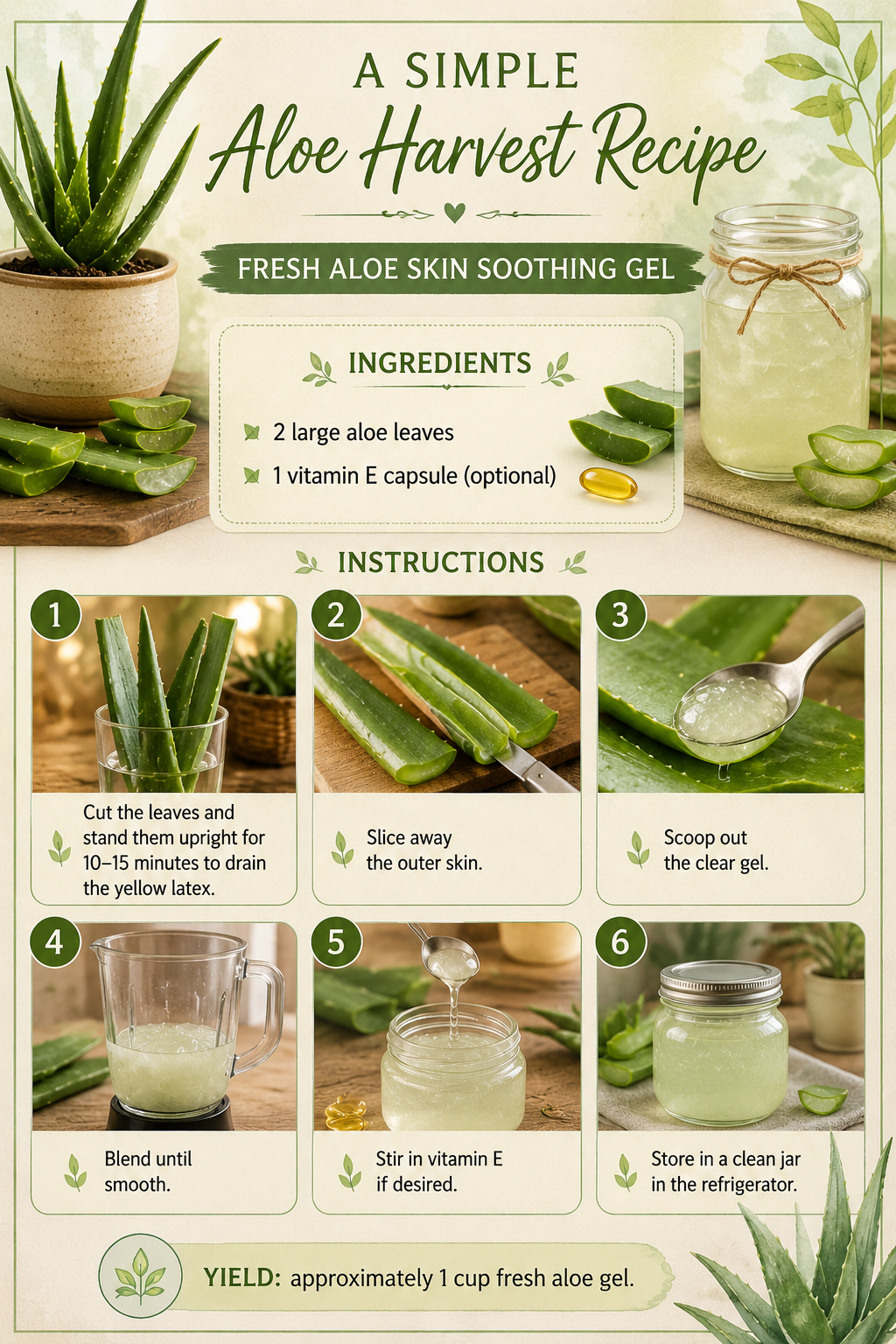
Freeze the Gel
Harvest the clear gel.
Blend until smooth.
Pour into ice cube trays.
Freeze.
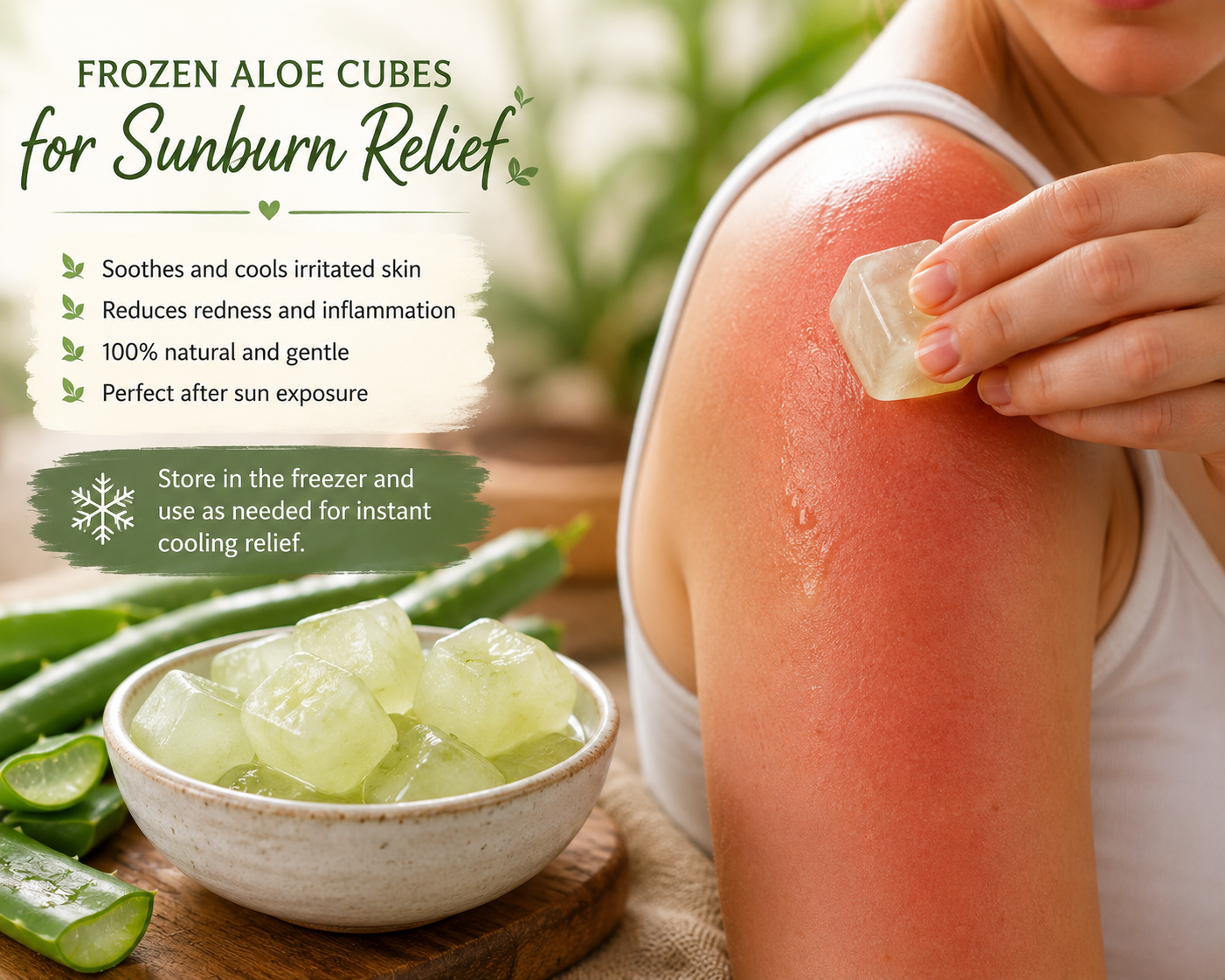
Aloe cubes can be thawed as needed for skin care. This is especially wonderful to use on sunburns—the cool cubes soothe hot, burned skin.
How to Grow Aloe Vera
Aloe vera is one of the easiest medicinal plants to grow, making it perfect for beginners. It thrives on a little neglect and can provide you with fresh healing gel for years.
Choose the Right Pot
Aloe prefers:
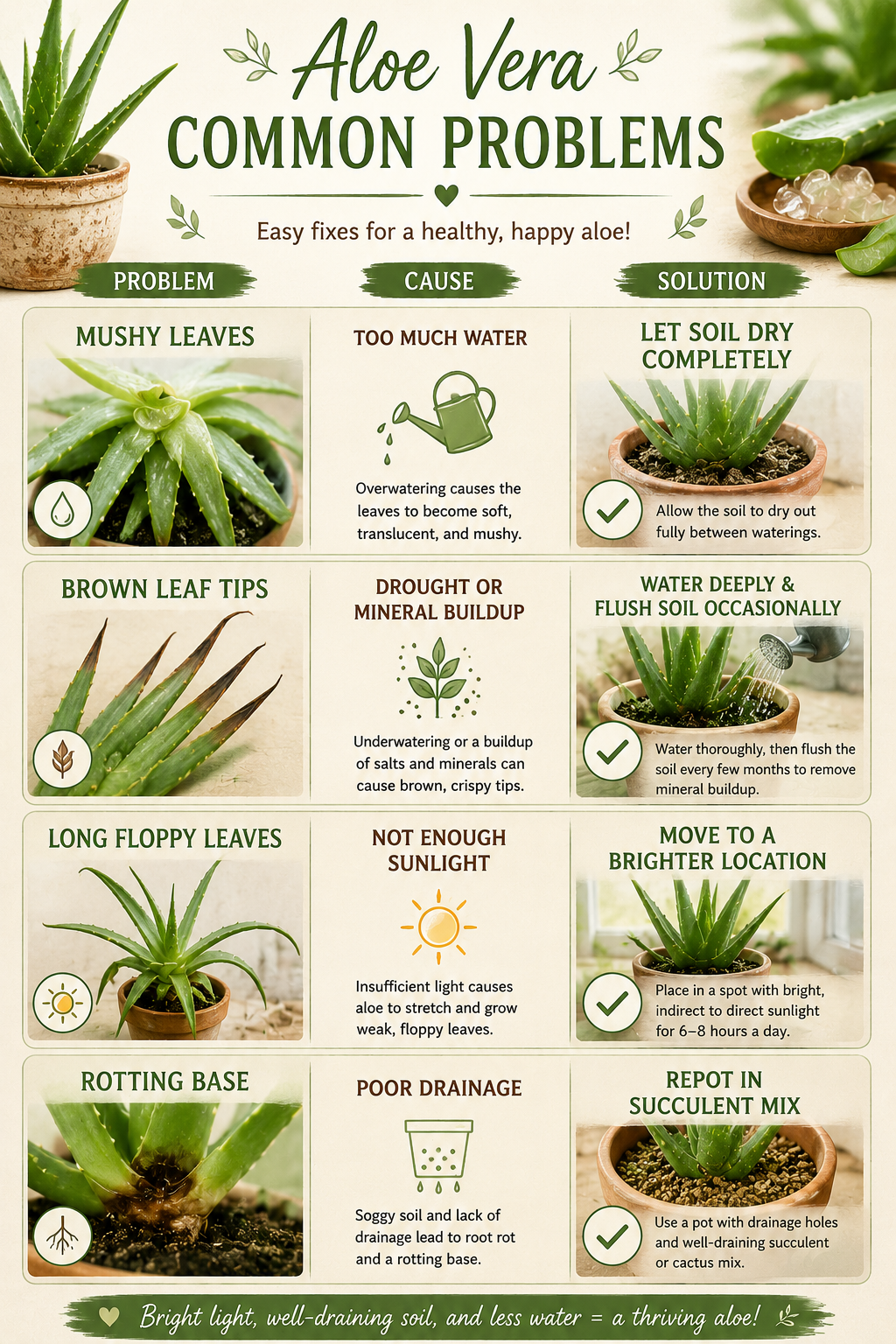
A pot with drainage holes
Terracotta or clay pots (they help excess moisture evaporate)
A pot slightly larger than the root ball
Since you love rustic farmhouse styling, weathered terracotta pots are both beautiful and ideal for aloe.
Use Well-Draining Soil
Aloe hates wet feet.
Use:
Cactus or succulent potting mix
Or mix:
2 parts potting soil
1 part coarse sand
1 part perlite
Give It Plenty of Sun
Aloe loves bright light! Put it in a sunny window and watch it grow.
Indoors:
South- or west-facing window
6–8 hours of bright light daily
Outdoors:
Morning sun
Light afternoon shade in very hot climates
If leaves become pale or brown, it may be getting too much intense sun. If they become long and floppy, it needs more light.
Water Sparingly
The number one way people kill aloe is by overwatering.
A good rule:
Water thoroughly.
Allow the soil to dry completely.
Water again.
Typically:
Summer: every 2–3 weeks
Winter: every 3–4 weeks (sometimes less)
Fertilize Lightly
Aloe doesn't need much fertilizer.
Feed:
Once in spring
Once in summer
Use a diluted succulent fertilizer.
Harvesting Aloe
Wait until the plant is mature and has several large leaves.
To harvest:
Choose an outer leaf near the base.
Cut it cleanly with a sharp knife.
Allow the yellow latex to drain.
Scoop out the clear gel.
Never remove more than about one-third of the plant at one time.
Propagating Aloe (Free Plants!)
One of the most exciting things about aloe is that it produces baby plants called pups.
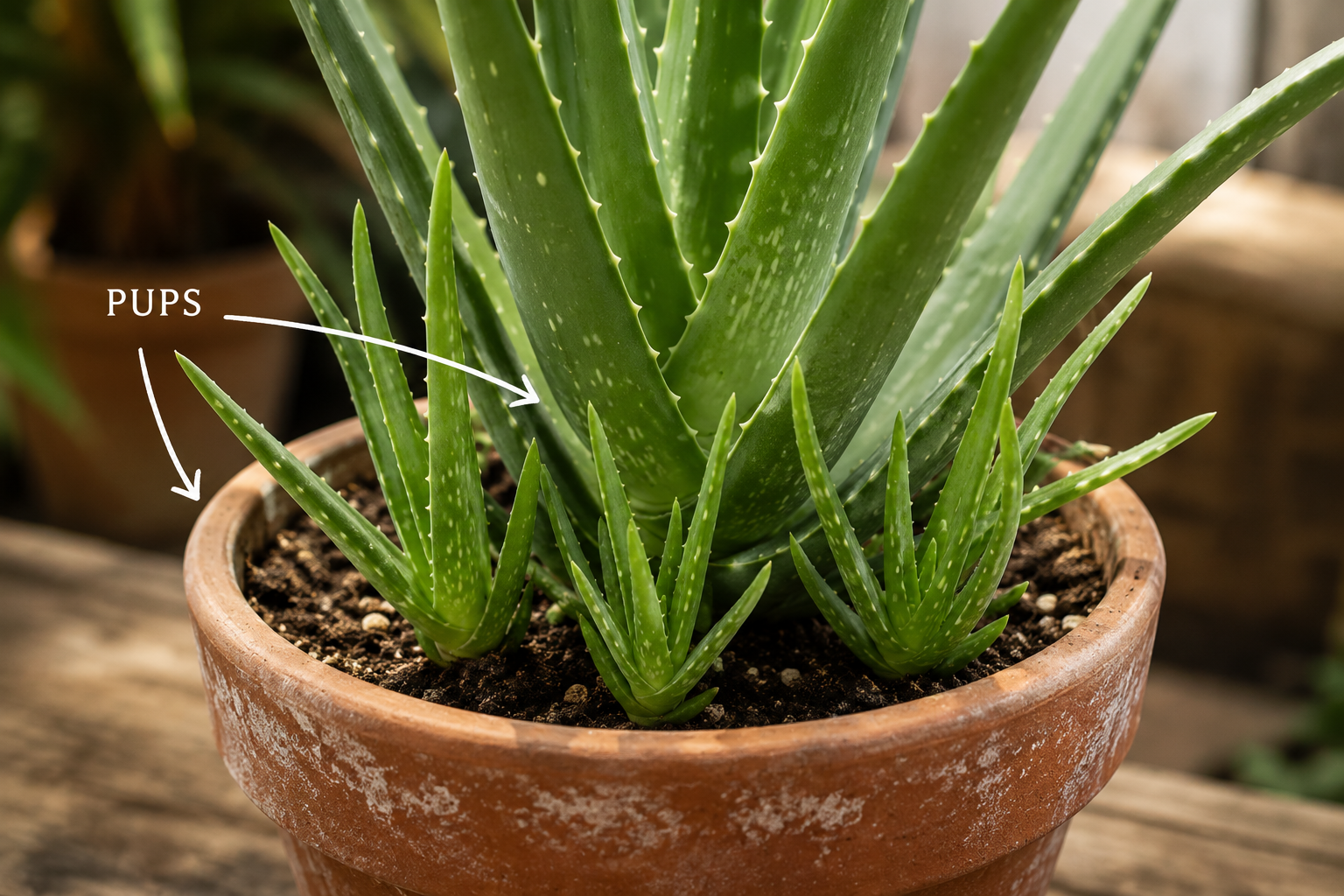
When pups are 3–4 inches tall:
Remove the plant from its pot.
Gently separate the pup from the mother plant.
Let the cut area dry for a day.
Plant in fresh succulent soil.
Soon you'll have enough aloe to share with friends and family.
Safety Notes
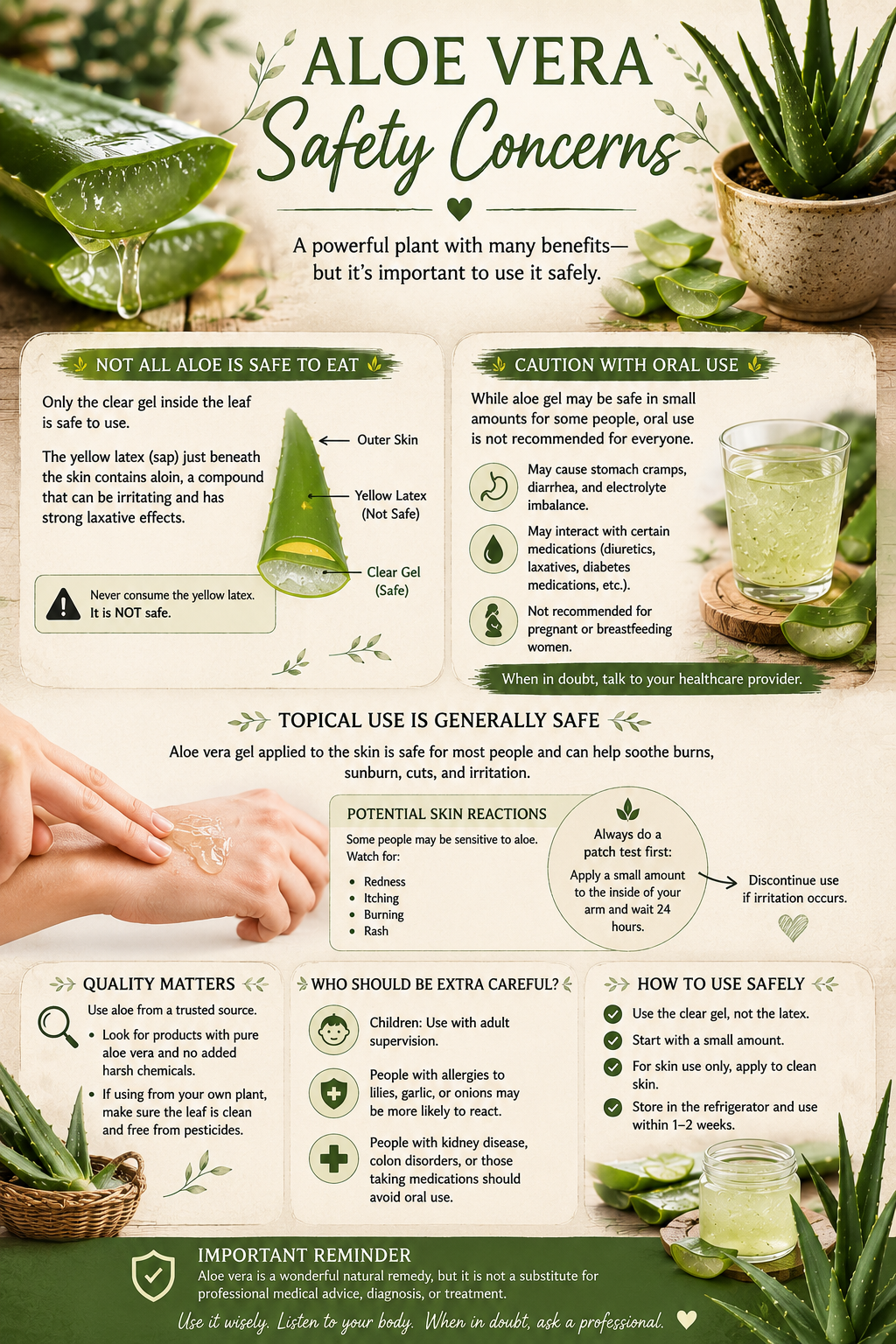
The clear inner gel is generally considered safe for topical use.
Some people may experience skin irritation or allergic reactions, so a patch test is a good idea.
Aloe latex (the yellow sap just under the leaf skin) can cause cramping, diarrhea, and other side effects and should not be used casually.
Aloe vera is a wonderfully forgiving plant that rewards even novice gardeners with years of beauty and usefulness. With plenty of sunshine, well-draining soil, and only occasional watering, a single aloe plant can produce fresh healing gel and countless baby plants to share for many years to come.
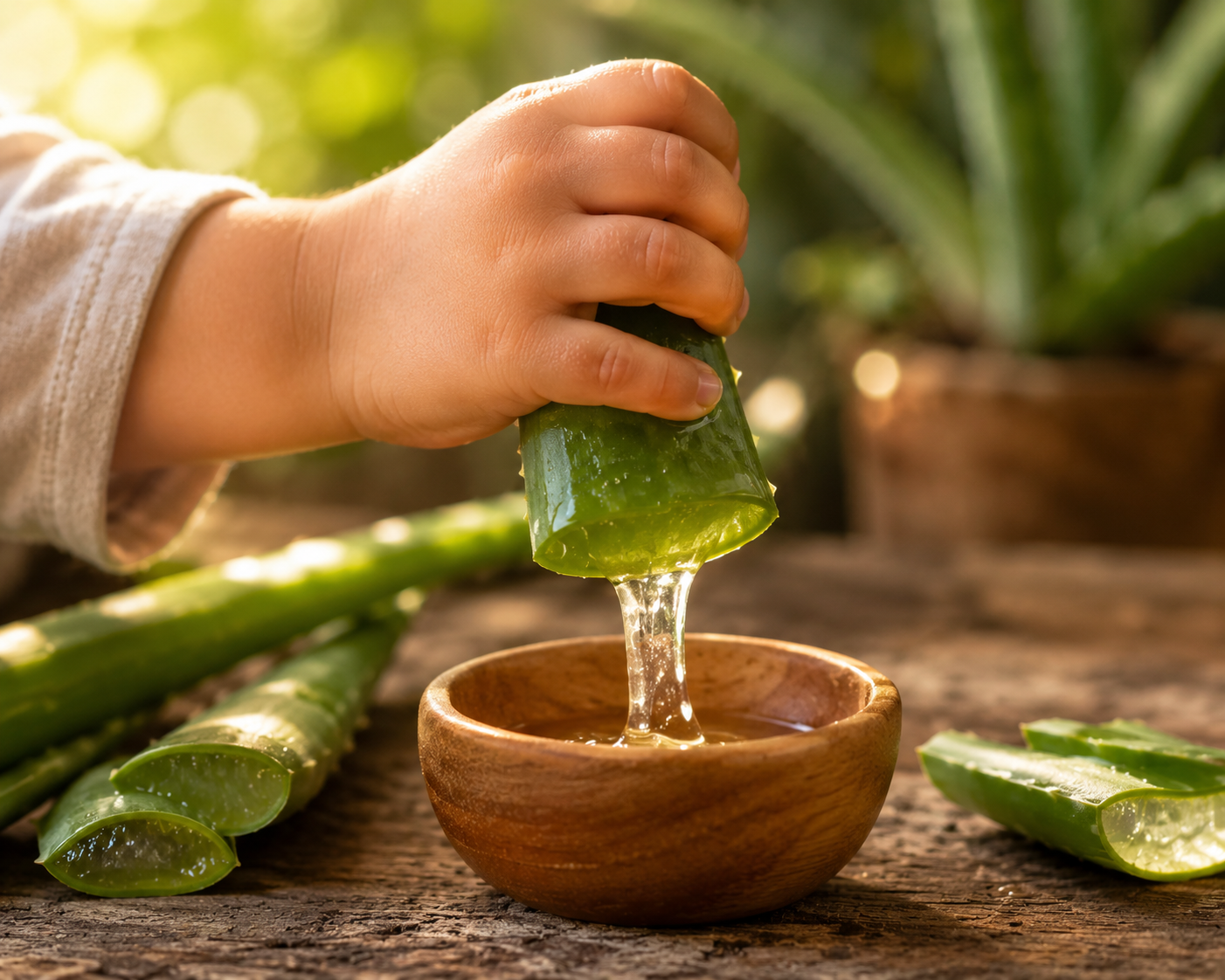
Depending on your growing zone, you might have to grow this one in a pot in the house (that’s how we do it here in Minnesota!). But beware…even as an indoor plant out of its native environment, our aloe plant has grown to massive proportions! Which is a blessing. It’s a great plant to have on hand for summer days out under the sun, and the kids will love squeezing out the gel (as my youngest son says, the slime!).