
Fennel
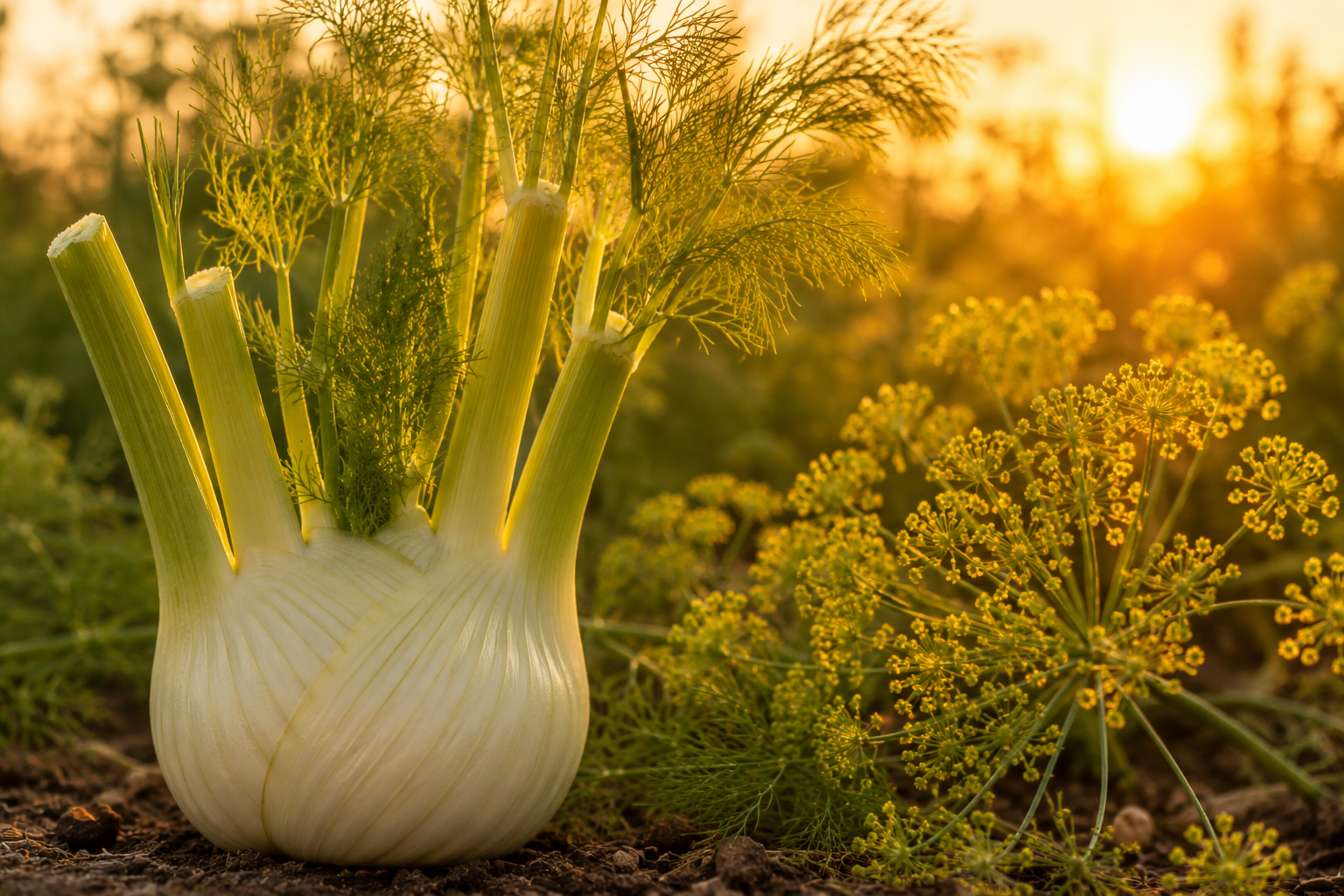
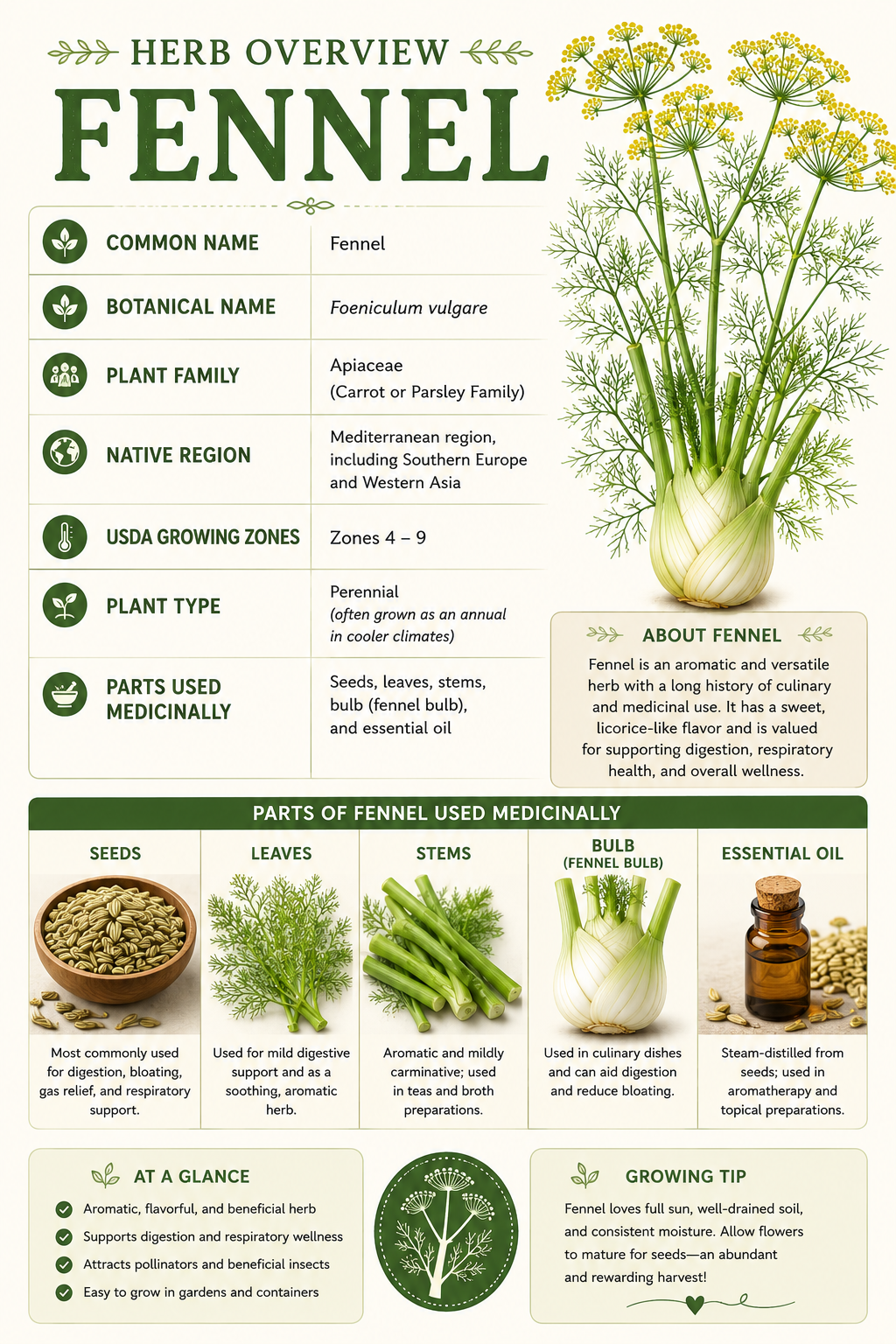
Fennel (Foeniculum vulgare) is a fragrant, feathery herb that has been valued for both its culinary and medicinal properties for thousands of years. Native to the Mediterranean region, fennel has been traditionally used to support digestion, ease bloating and gas, soothe coughs, and promote overall wellness. Its seeds, bulb, and leaves contain beneficial plant compounds that have made it a staple in herbal medicine systems around the world. In this article, we'll explore the most common medicinal uses of fennel, examine the science behind its traditional applications, discuss potential health benefits, and review important safety considerations for those interested in incorporating this versatile herb into their wellness routine.
Medicinal Uses
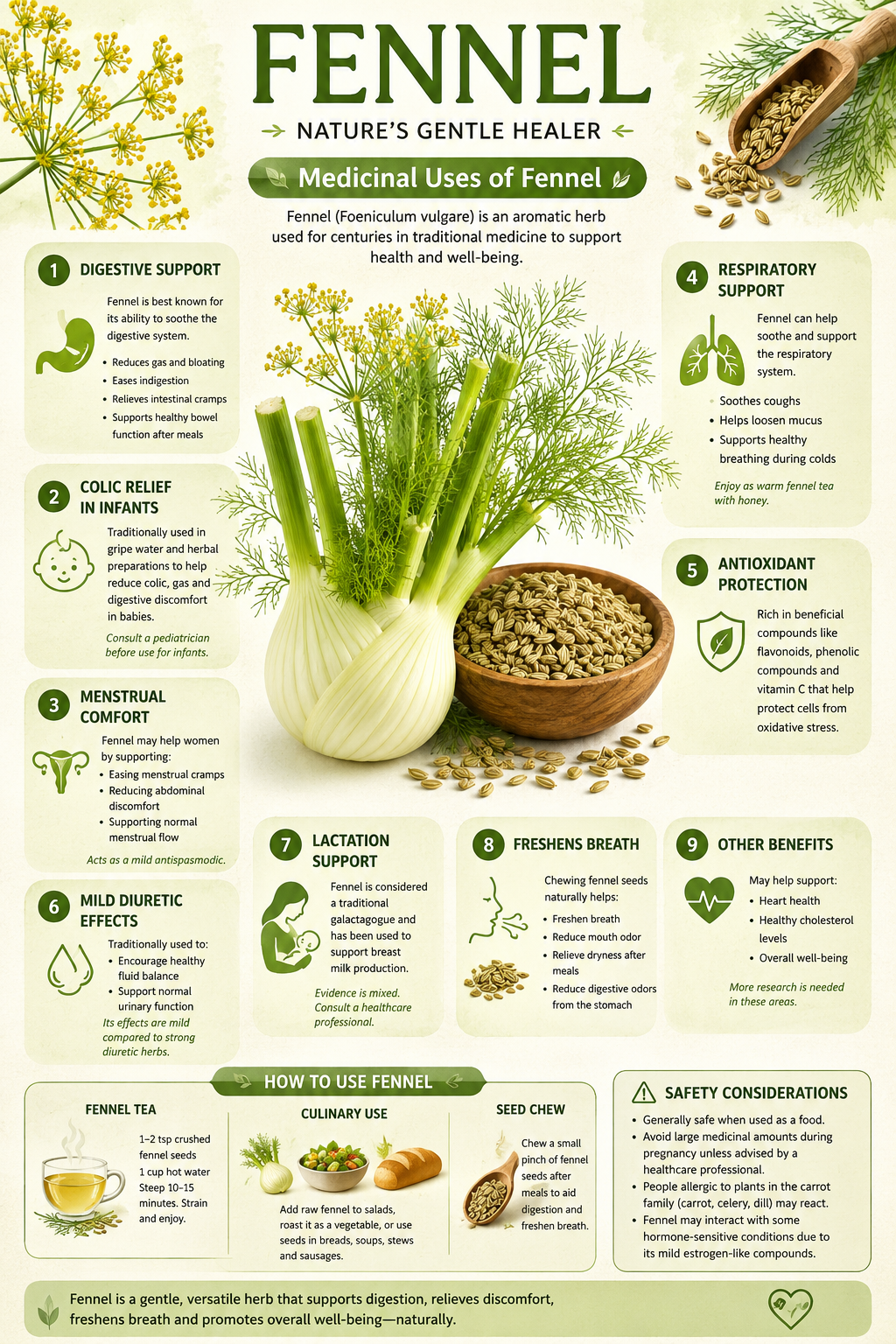
1. Digestive Support
Fennel is best known for its ability to support healthy digestion.
It may help:
Reduce gas and bloating
Ease indigestion
Relieve intestinal cramping
Support healthy bowel function after meals
Many people enjoy fennel tea after a heavy meal to soothe digestive discomfort.
2. Colic Relief in Infants
Traditionally, fennel has been used in gripe water and herbal preparations for babies with colic. Some studies suggest fennel may help reduce crying and digestive discomfort, though parents should consult a pediatrician before giving herbal products to infants.
3. Menstrual Comfort
Fennel has long been used to support women during menstruation.
It may help:
Ease menstrual cramps
Reduce abdominal discomfort
Support normal menstrual flow
Some research suggests fennel may work similarly to mild antispasmodic herbs.
4. Respiratory Support
Traditional herbalists have used fennel to:
Soothe coughs
Loosen mucus
Support healthy breathing during colds
Warm fennel tea is often combined with honey for respiratory comfort.
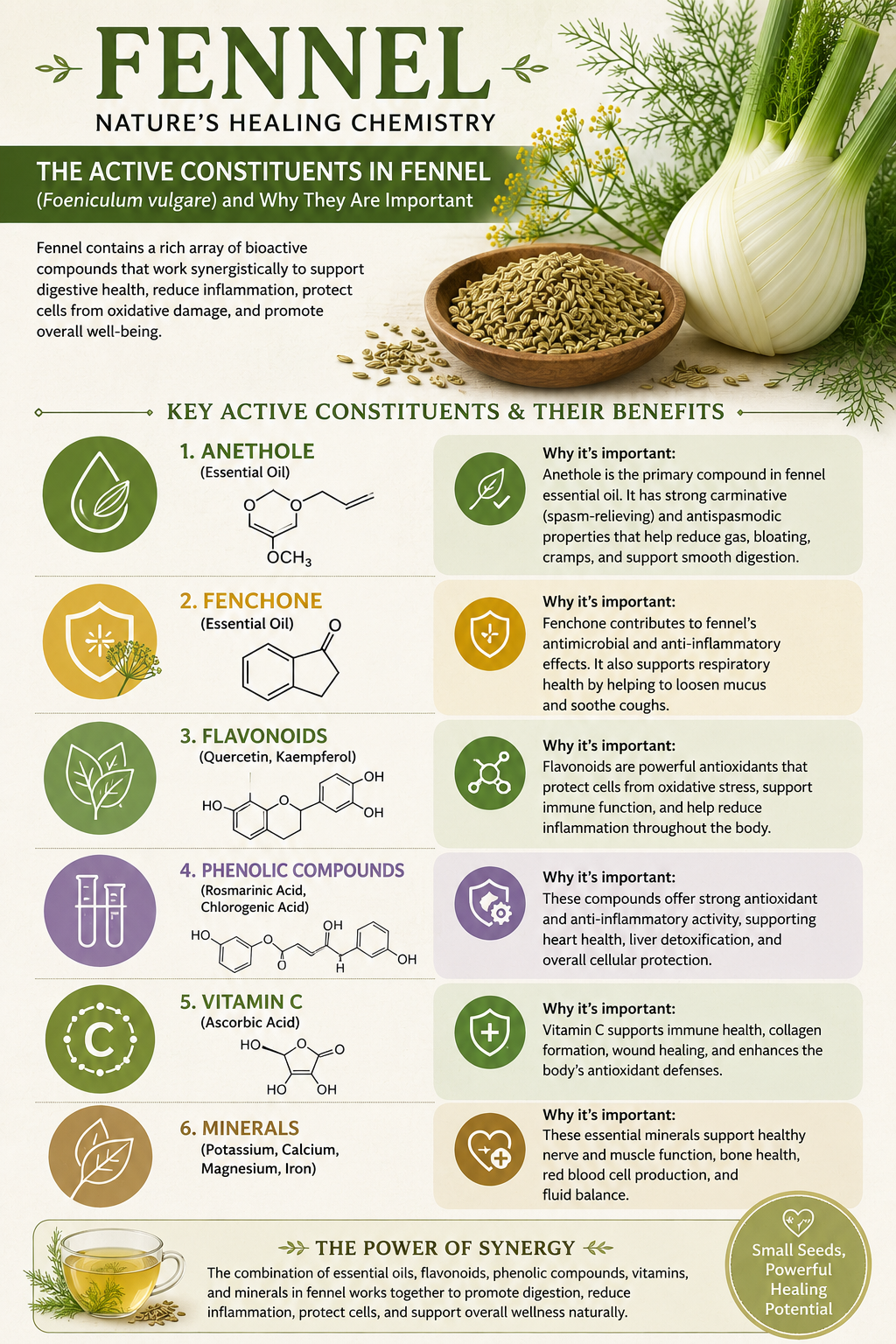
5. Antioxidant Protection
Fennel contains beneficial plant compounds including:
Flavonoids
Phenolic compounds
Vitamin C
These compounds help protect cells from oxidative stress.
6. Mild Diuretic Effects
Historically, fennel has been used to:
Encourage healthy fluid balance
Support normal urinary function
Its effects are generally mild compared with stronger diuretic herbs.
7. Lactation Support
Fennel is considered a traditional galactagogue, meaning it has been used to support breast milk production in nursing mothers.
However, evidence is mixed, and breastfeeding mothers should discuss regular medicinal use with a healthcare professional.
8. Freshens Breath
Chewing fennel seeds has been a traditional remedy for:
Bad breath
Dry mouth after meals
Digestive odors originating from the stomach
How to Use Fennel
Fennel has been used in herbal medicine for centuries, especially for digestive and respiratory support. The seeds are the most commonly used medicinal part, although the bulb and leaves also contain beneficial compounds.
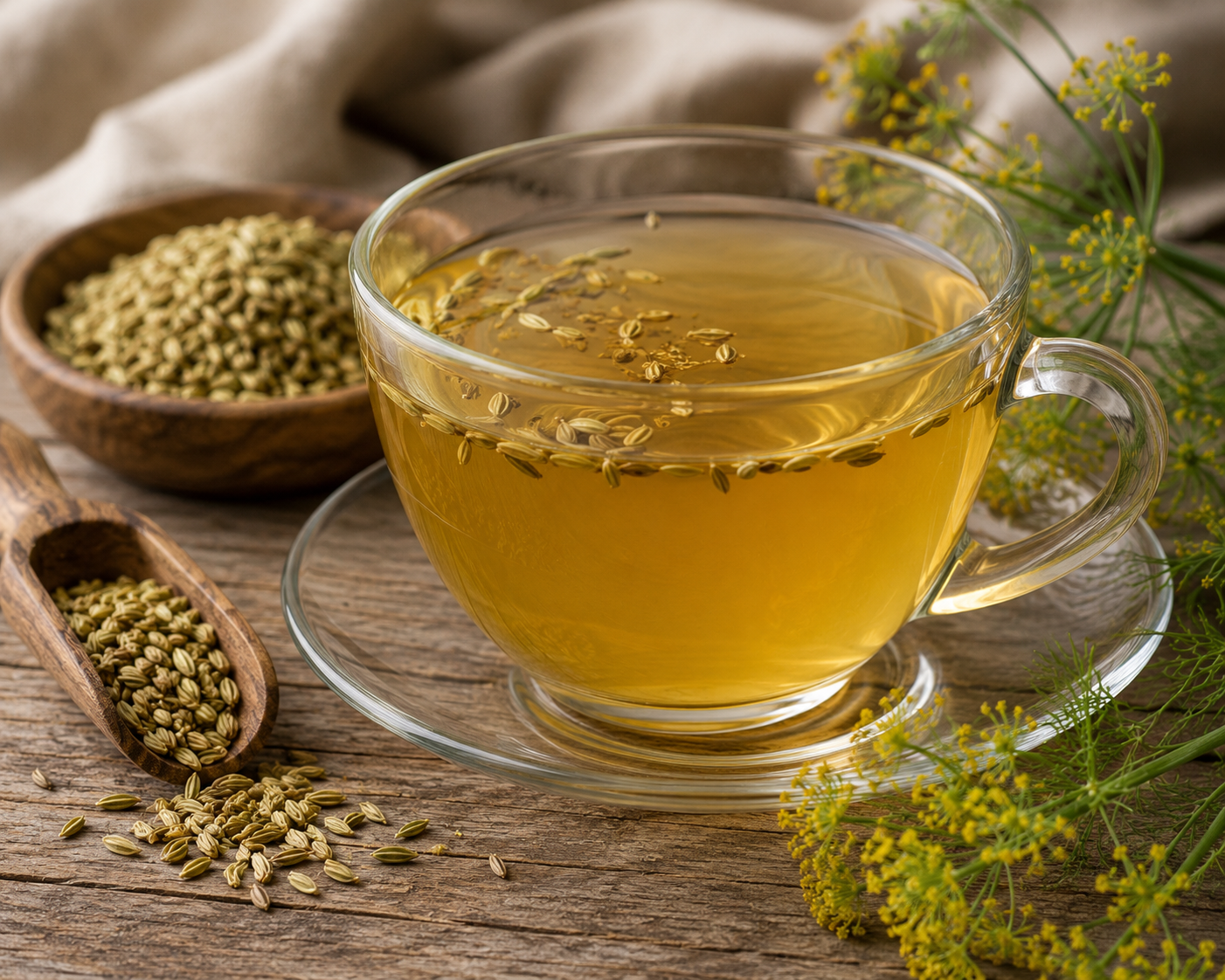
Fennel Tea
One of the simplest and most popular remedies.
How to make it:
Crush 1–2 teaspoons of fennel seeds.
Pour 1 cup of hot water over the seeds.
Cover and steep for 10–15 minutes.
Strain and enjoy.
Traditionally used for:
Gas and bloating
Indigestion
Stomach cramps
Mild coughs and congestion
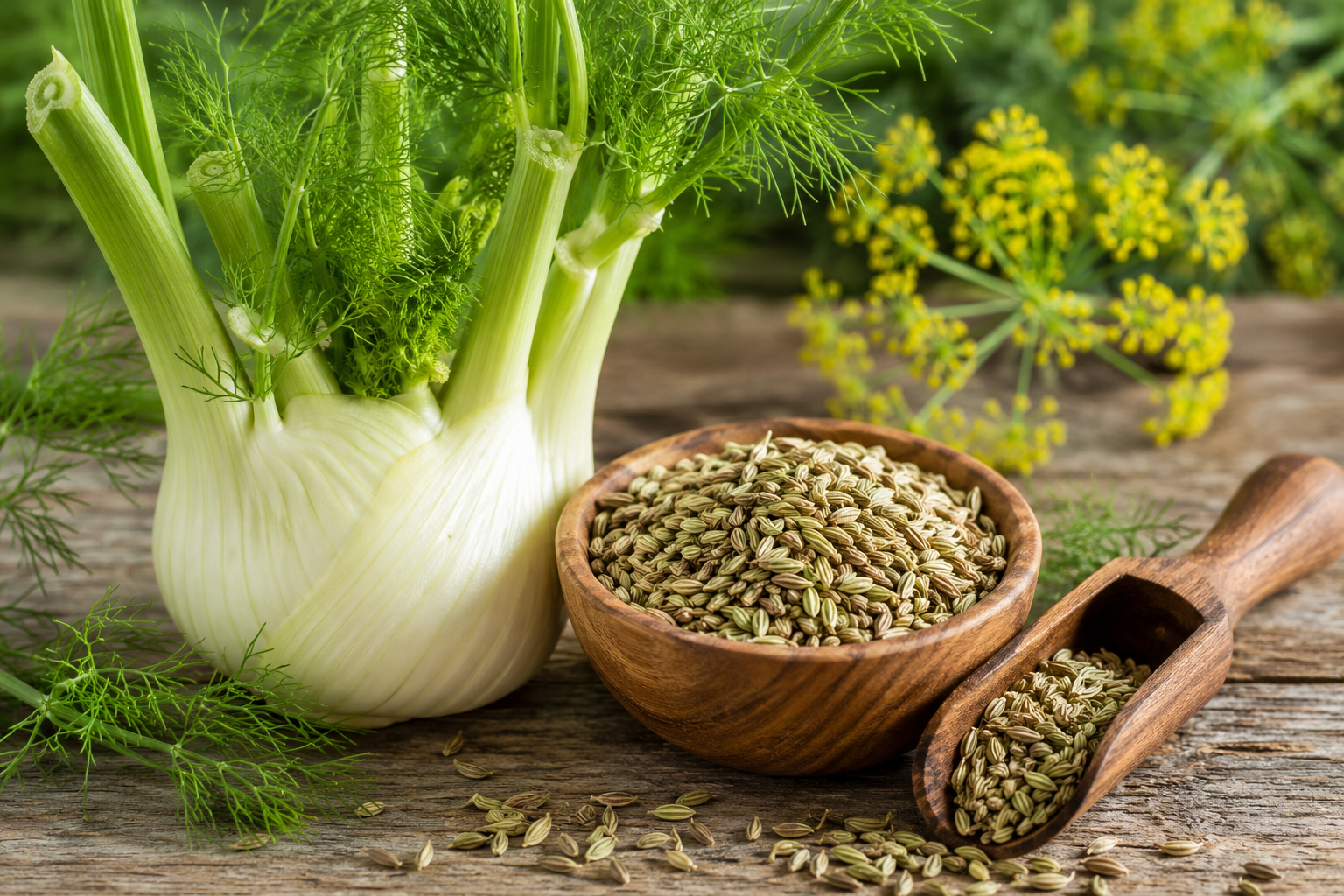
Chewing Fennel Seeds
Many cultures chew fennel seeds after meals.
Benefits:
Freshens breath
Supports digestion
Helps reduce post-meal bloating
How to use:
Chew ½–1 teaspoon of whole seeds after eating.
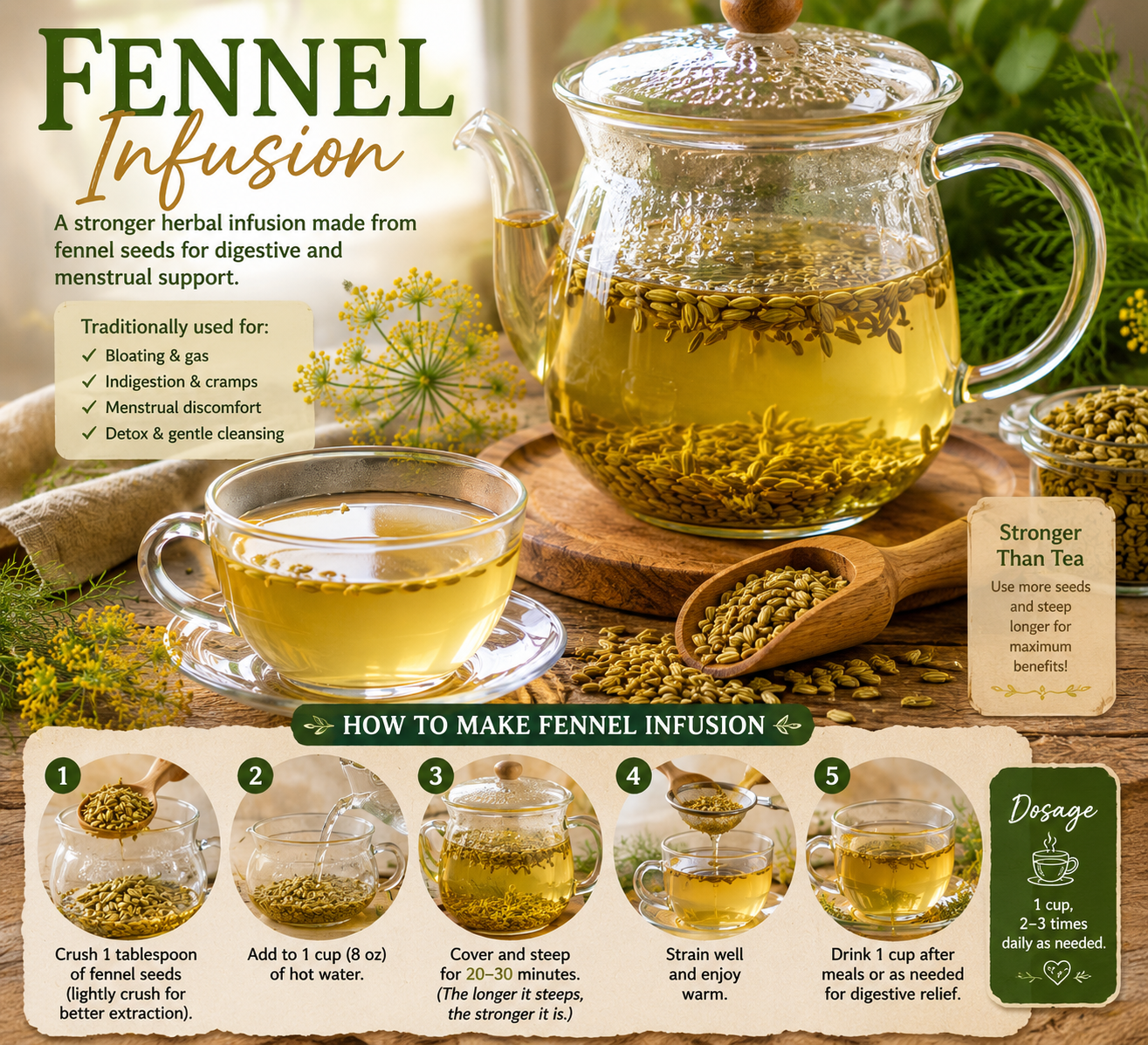
Fennel Infusion
A stronger preparation than tea.
How to make it:
Use 1 tablespoon crushed seeds per cup of water.
Steep covered for 20–30 minutes.
Traditionally used for digestive complaints and menstrual discomfort.
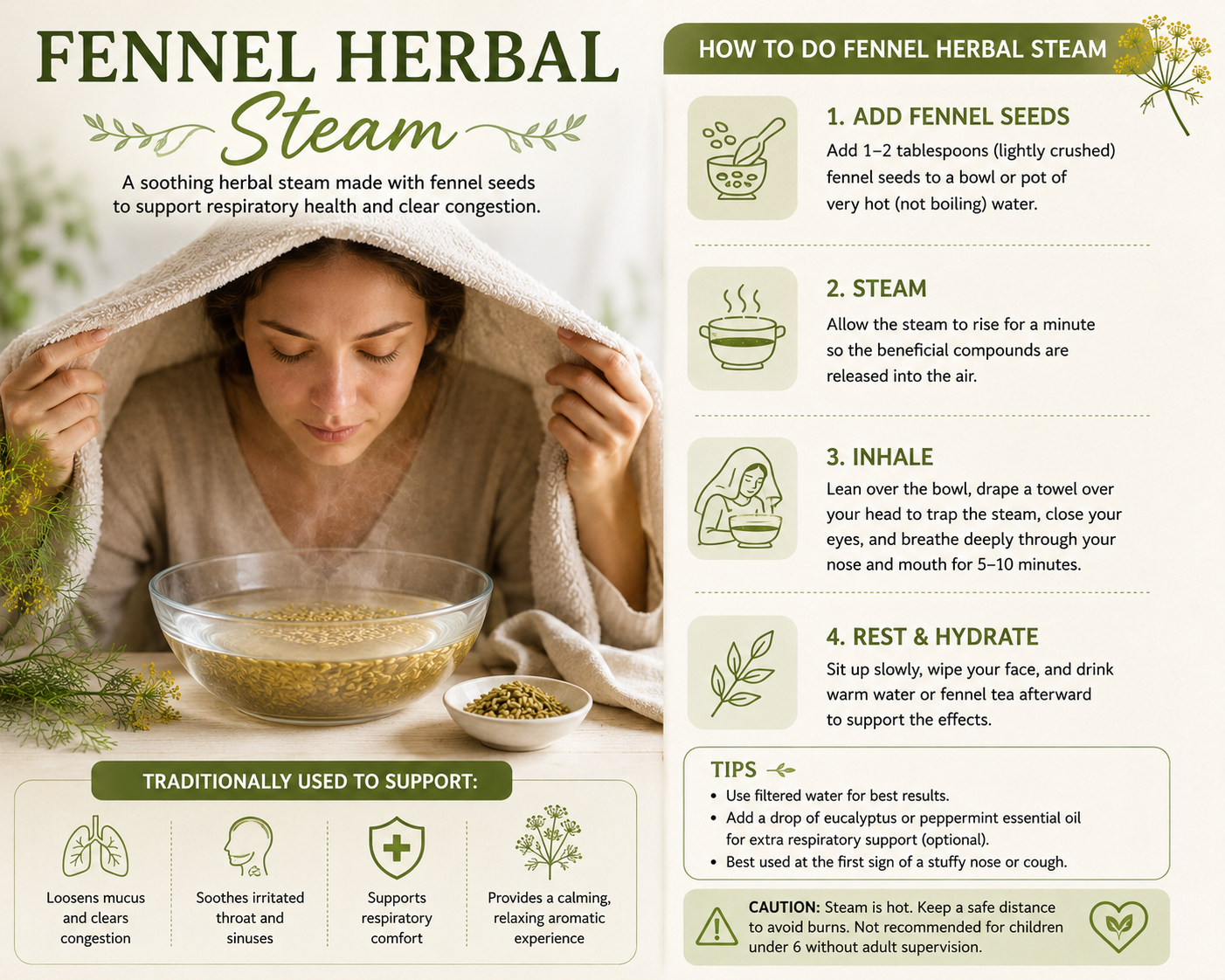
Herbal Steam
For respiratory support:
Add 1–2 tablespoons crushed fennel seeds to a bowl of steaming water.
Lean over the bowl and inhale the steam carefully.
Traditionally used to help loosen mucus and soothe irritated airways.
How to Use Fennel Culinarily
Every part of the fennel plant is edible.
Fennel Bulb
The bulb has a crisp texture and mild licorice flavor.
Enjoy it:
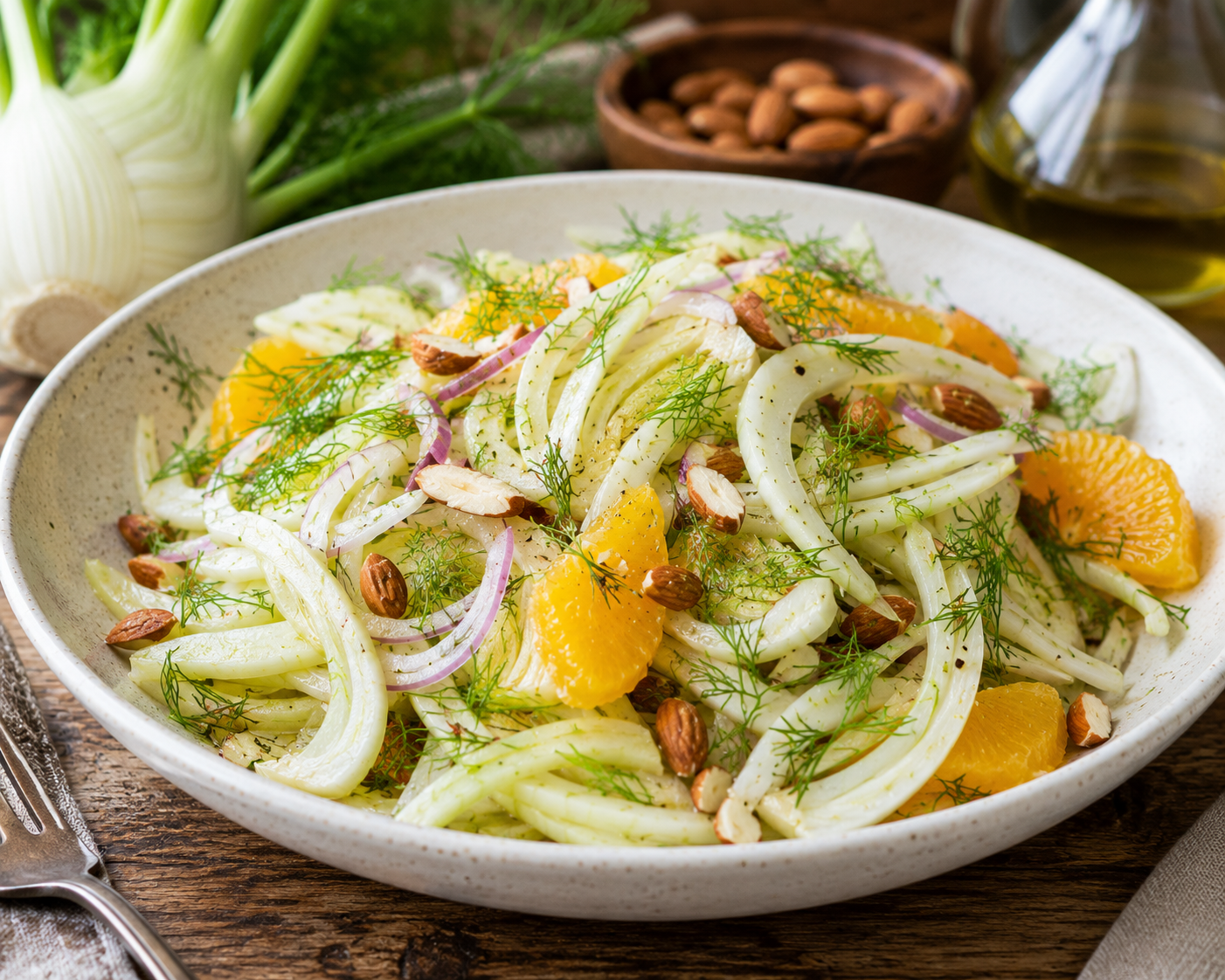
Thinly sliced in salads
Roasted with olive oil
Grilled alongside vegetables
Added to soups and stews
Fennel Seeds
The seeds are widely used as a spice.
Great in:
Bread and crackers
Sausage seasoning
Pickles
Curry blends
Herbal teas
Fennel Fronds
The feathery leaves make an excellent herb.
Use them:
As a garnish
In salads
Mixed into dressings
Sprinkled over fish dishes
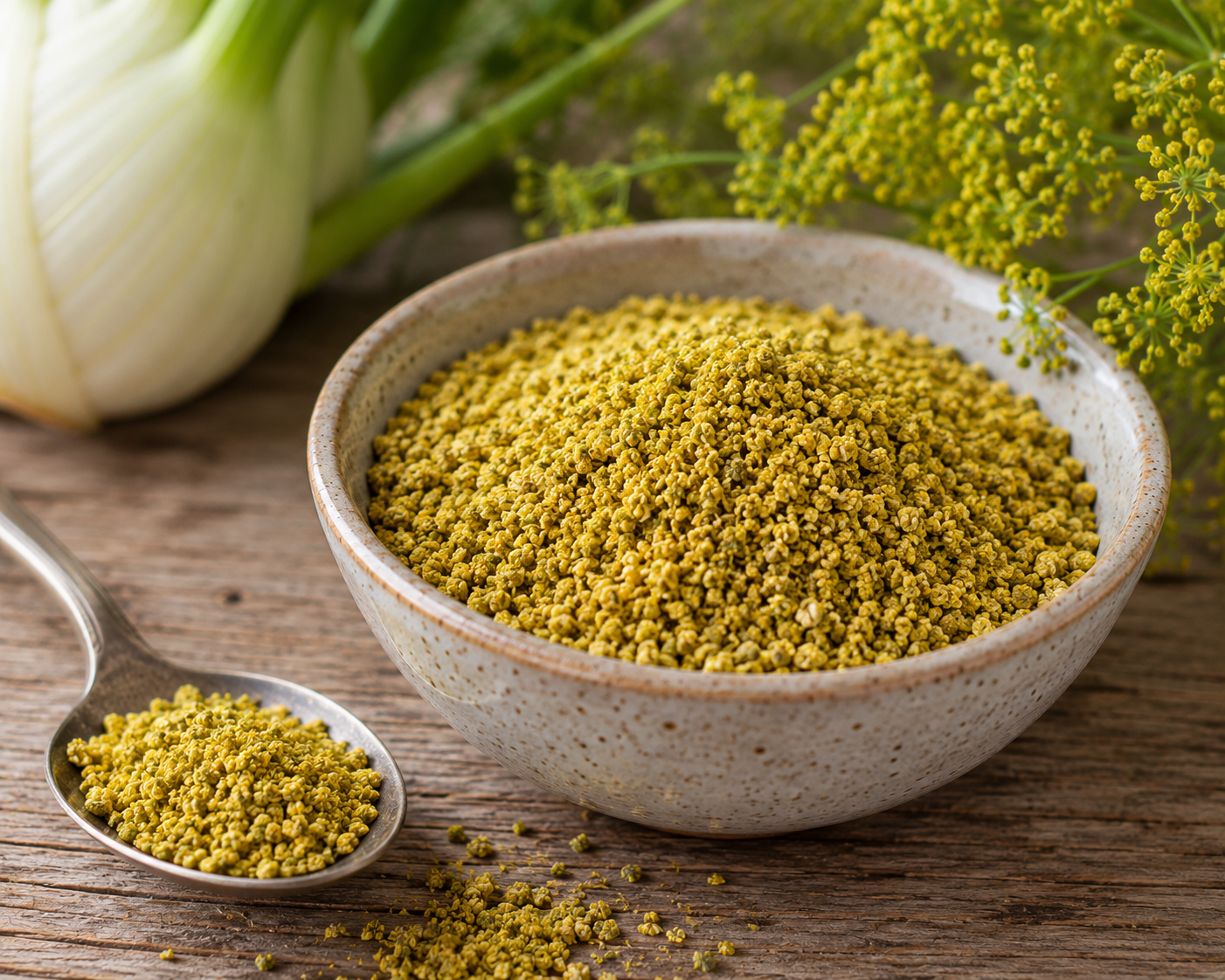
Fennel Pollen
Sometimes called "the spice of angels."
Use sparingly on:
Roasted vegetables
Seafood
Pasta dishes
Artisan breads
Growing Fennel
Sun Requirements
Fennel thrives in full sun, requiring at least 6–8 hours of direct sunlight daily. While it can tolerate light afternoon shade in very hot climates, the best bulb development and seed production occur in sunny locations.
Soil Requirements
Fennel prefers well-drained, fertile soil rich in organic matter. A soil pH between 6.0 and 7.5 is ideal. Loose soil allows the bulb to expand properly and encourages strong root development.
Water Needs
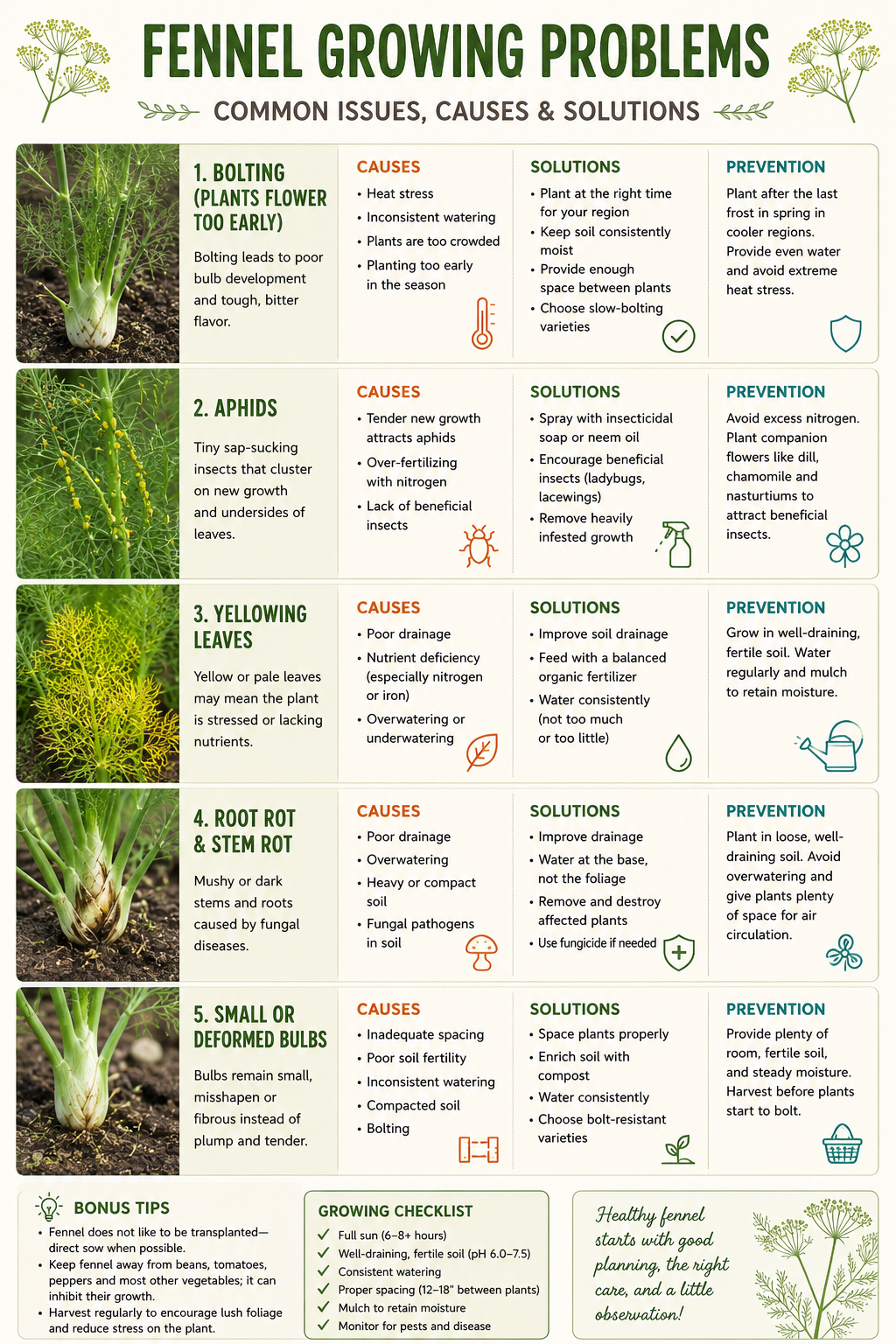
Provide consistent moisture, especially during hot weather and while bulbs are forming. Aim for about 1 inch of water per week, increasing during drought conditions. Avoid waterlogged soil, which can lead to root problems.
Spacing
Sow seeds about ¼ inch deep
Space plants 12–18 inches apart
Leave 18–24 inches between rows
Adequate spacing improves air circulation and allows bulbs to mature fully.
Germination Time
Fennel seeds typically germinate in 7–14 days when soil temperatures are between 60–75°F (16–24°C). Germination may take longer in cooler conditions.
Companion Plants
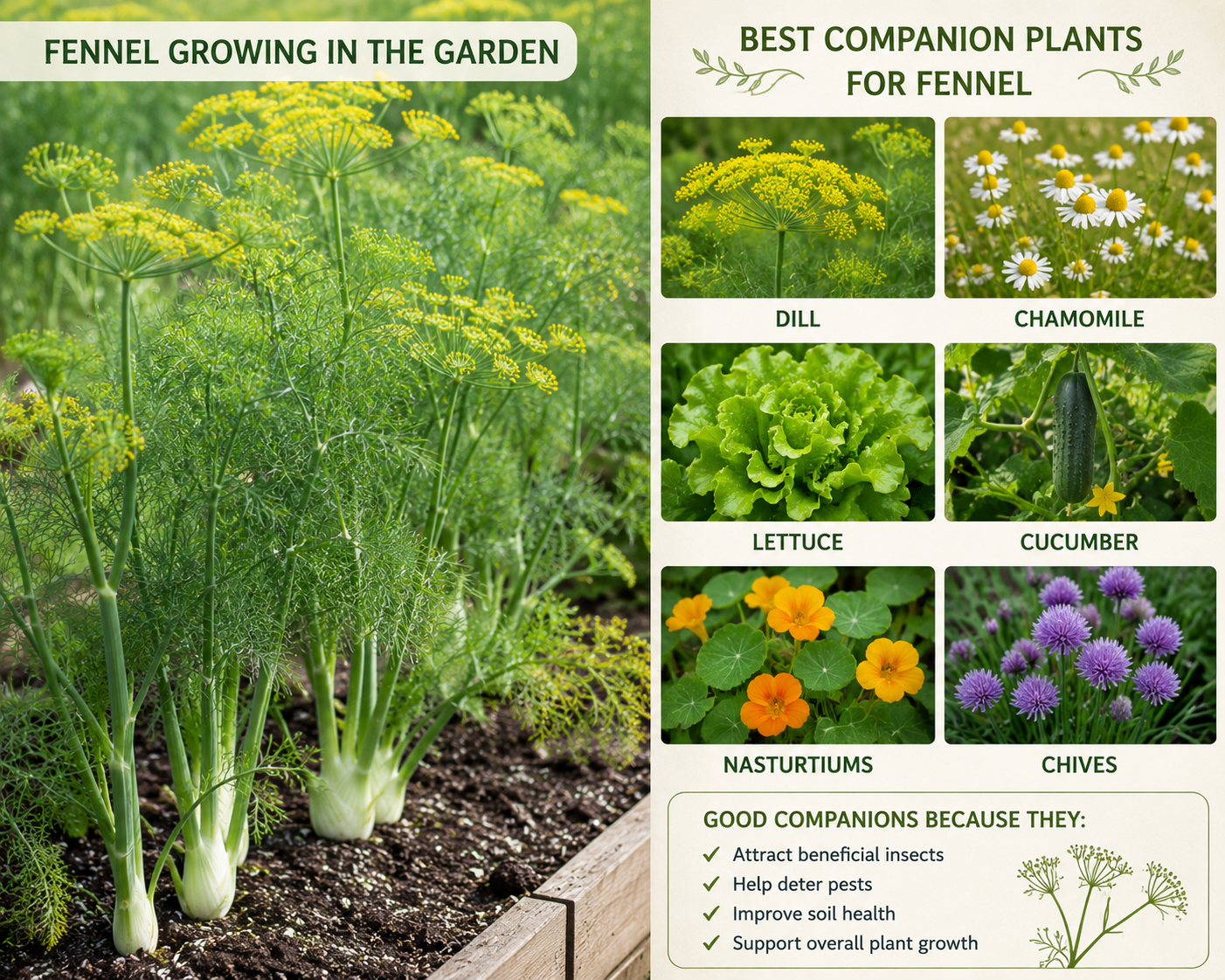
Good companion plants include:
Dill
Chamomile
Lettuce
Cucumber
Nasturtiums
However, fennel is somewhat unique because it can inhibit the growth of some nearby plants. It is often best grown in its own bed or at the edge of the garden.
Avoid planting near:
Beans
Tomatoes
Peppers
Kohlrabi
Most members of the nightshade family
Container Growing Guide
Fennel can be successfully grown in containers, especially varieties grown for foliage rather than large bulbs.
Container Tips:
Use a pot at least 12–18 inches deep.
Choose a container with excellent drainage.
Fill with high-quality potting mix amended with compost.
Place in full sun.
Water regularly, as containers dry out more quickly than garden beds.
Avoid transplanting when possible, as fennel develops a long taproot and prefers to be direct sown.
Container-grown fennel is ideal for patios, balconies, and small herb gardens, providing a ready supply of fresh fronds, seeds, and bulbs throughout the growing season.
Saving Fennel Seeds
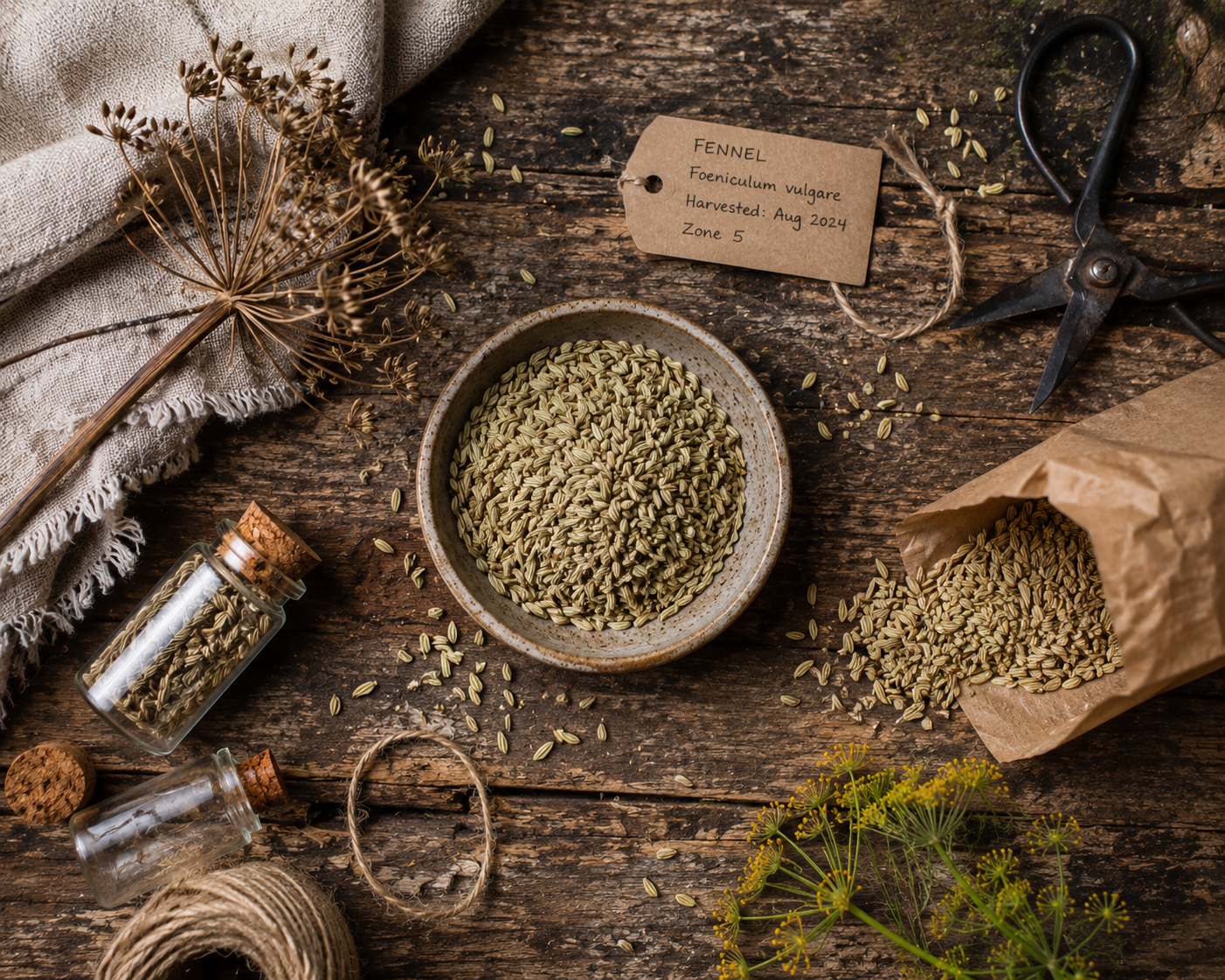
Saving fennel seeds is an easy and rewarding way to preserve your harvest and grow new plants the following season. Fennel readily produces abundant seeds when allowed to flower and mature.
When to Harvest Seeds
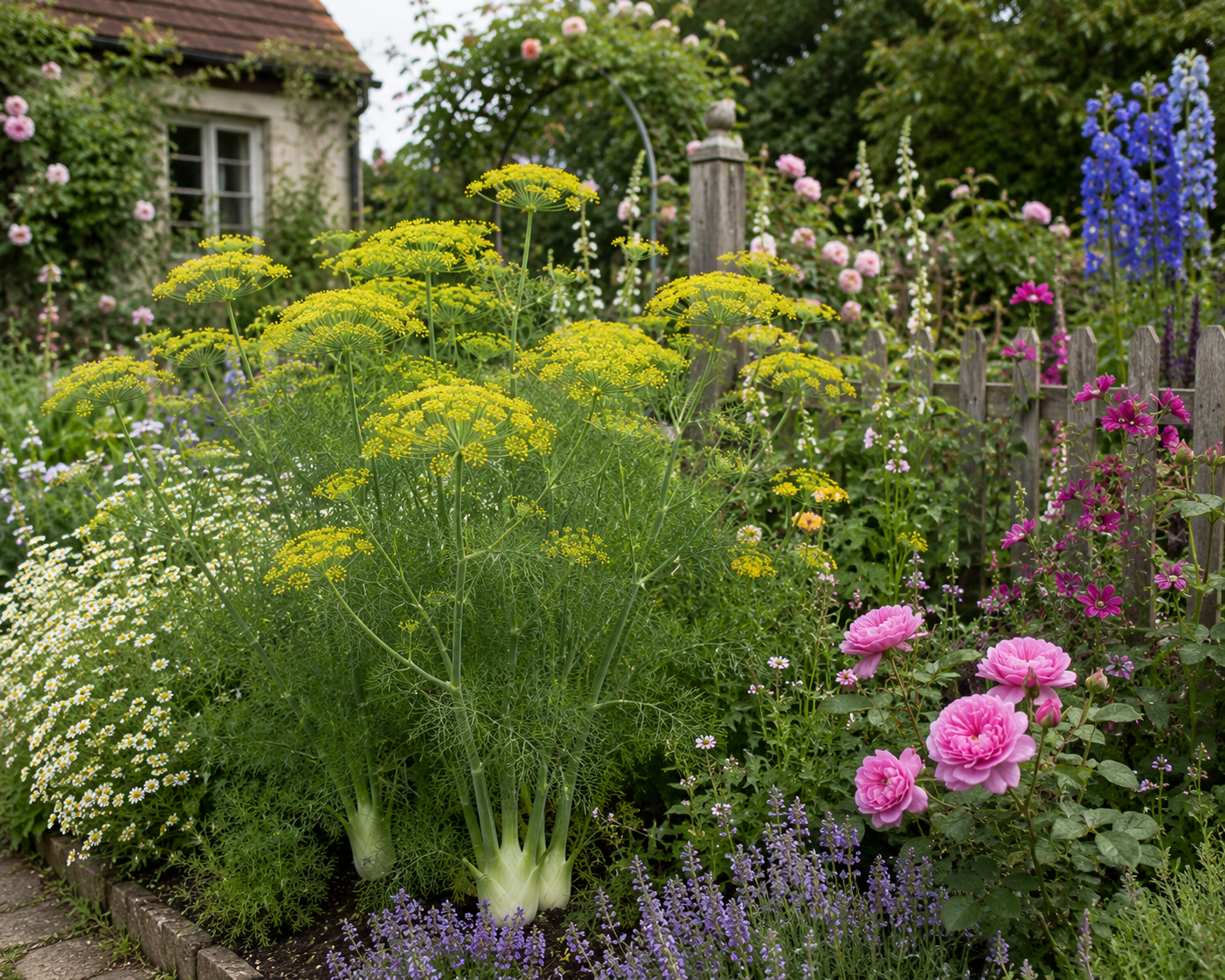
Fennel flowers appear as large, umbrella-shaped clusters of tiny yellow blooms. After pollination, these flowers develop into green seeds that gradually turn tan or brown as they mature.
Seeds are ready to harvest when:
The seed heads have turned brown or tan.
The seeds are dry and firm.
The flower heads begin to droop slightly.
Seeds easily rub free from the flower head.
This typically occurs in late summer to early fall.
How to Harvest
Allow seed heads to dry on the plant as long as possible.
Cut entire flower heads on a dry day.
Place the seed heads upside down in a paper bag.
Secure the bag around the stems if drying indoors, or simply place cut heads in the bag.
Allow them to dry for 1–2 weeks in a warm, well-ventilated area.
Cleaning the Seeds
Once fully dry:
Gently shake or rub the seed heads.
The seeds will fall into the bag.
Remove stems and plant debris.
Use a fine screen or gentle winnowing to separate chaff from the seeds.
Storing Fennel Seeds
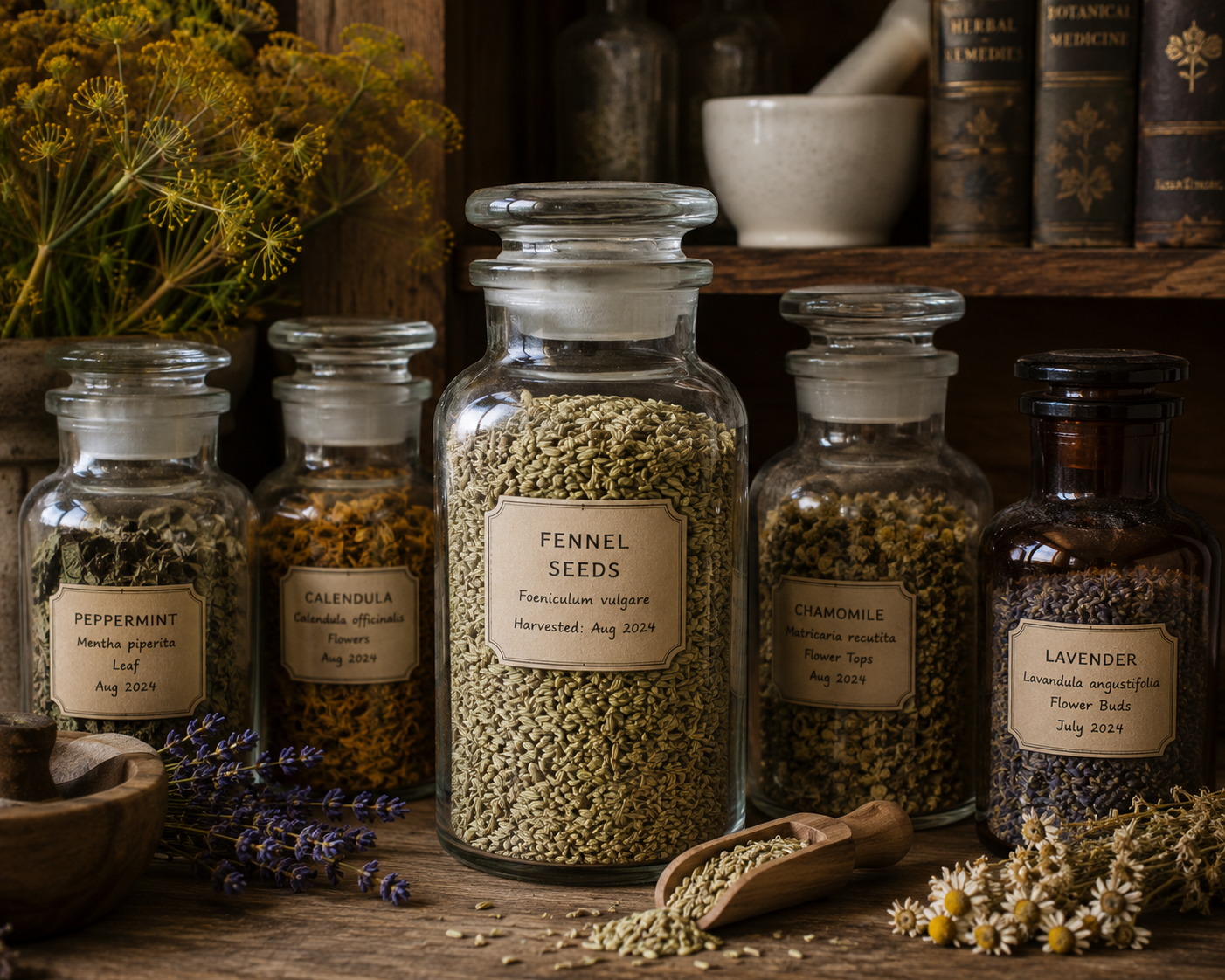
Store seeds in:
Paper envelopes
Glass jars with tight-fitting lids
Airtight seed packets
Label with:
Plant name
Variety (if known)
Harvest date
Keep in a:
Cool location
Dry environment
Dark place away from direct sunlight
How Long Do Seeds Last?
Properly stored fennel seeds generally remain viable for:
3–5 years for planting
Up to 2–3 years for best culinary flavor
Tips for Seed Saving
Save seeds from your healthiest plants.
Harvest only on dry days.
Avoid collecting moldy or damaged seed heads.
Fennel cross-pollinates easily with other fennel varieties, so saved seeds may not grow exactly like the parent plant if multiple varieties are nearby.
Culinary Bonus
Don't forget that saved fennel seeds aren't just for planting! They can also be used for:
Herbal teas
Bread baking
Pickling blends
Sausage seasoning
Digestive seed mixes
Many gardeners save a portion for next year's garden and another portion for the kitchen—a wonderful way to enjoy the full cycle of this versatile herb.
Safety Considerations for Fennel
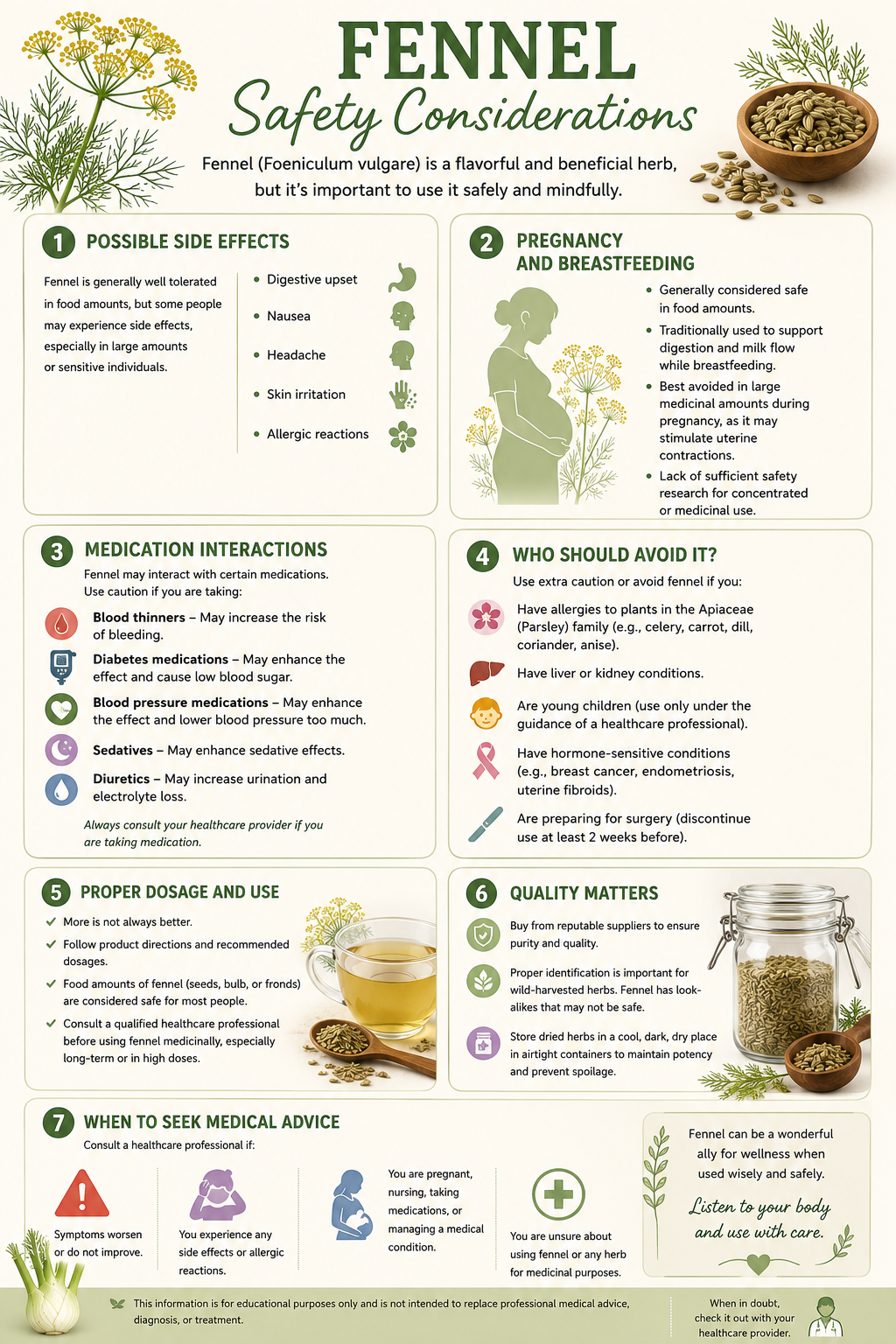
Fennel (Foeniculum vulgare) is generally considered safe when consumed as a food and has a long history of culinary and traditional medicinal use. However, as with any herb, there are important safety considerations to keep in mind, particularly when using fennel in concentrated medicinal amounts.
Possible Side Effects
Most people tolerate fennel well, especially when used in normal food quantities. However, some individuals may experience side effects, particularly when consuming large amounts or using concentrated extracts or essential oils.
Possible side effects may include:
Digestive upset
Nausea
Headache
Skin irritation
Allergic reactions
People who are allergic to plants in the carrot family (Apiaceae), including celery, carrots, parsley, dill, coriander, or anise, may be more likely to experience an allergic reaction to fennel.
Pregnancy and Breastfeeding
Fennel is generally considered safe when consumed in typical food amounts during pregnancy and breastfeeding. Traditionally, fennel has been used to support digestion and has also been used as a galactagogue, a substance believed to help support breast milk production.
However, medicinal doses of fennel should be approached with caution during pregnancy. Fennel contains compounds with mild estrogen-like activity, and there is limited research on the safety of concentrated fennel preparations during pregnancy. For this reason, pregnant individuals should consult their healthcare provider before using fennel medicinally.
While fennel is often included in nursing teas and breastfeeding blends, research on its effectiveness and long-term safety remains limited.
Medication Interactions
Fennel may interact with certain medications. Individuals taking prescription medications should speak with a healthcare professional before using fennel supplements, extracts, or medicinal preparations.
Potential interactions may include:
Blood thinners
Diabetes medications
Blood pressure medications
Sedatives
Diuretics
Because fennel may influence blood sugar levels, blood pressure, or hormone activity, caution is advised when combining it with medications that affect these systems.
Who Should Avoid Fennel?
Certain individuals may need to avoid fennel or use it only under professional guidance.
Use caution if you:
Have known allergies to plants in the carrot family
Have hormone-sensitive conditions such as breast cancer, uterine fibroids, or endometriosis
Have liver or kidney disease
Are preparing for surgery
Are giving medicinal amounts to young children
If you have a chronic medical condition, consult your healthcare provider before beginning regular medicinal use.
Proper Dosage and Use
When using fennel medicinally, remember that more is not always better. Follow product instructions carefully and avoid exceeding recommended amounts.
For best results:
Use fennel as directed
Follow recommended dosages
Avoid prolonged use of concentrated preparations without professional guidance
Consult a qualified healthcare professional if using fennel therapeutically
Quality Matters
The quality of herbal products can vary significantly. Purchase fennel products from reputable suppliers that provide proper identification and quality testing whenever possible.
If harvesting fennel from the wild:
Ensure accurate plant identification
Avoid collecting from contaminated areas
Properly dry and store harvested material
Store dried fennel seeds and herbs in airtight containers away from heat, moisture, and direct sunlight to preserve quality and potency.
When to Seek Medical Advice
Consult a healthcare professional if:
Symptoms worsen or do not improve
Side effects occur
You experience signs of an allergic reaction
You are pregnant or breastfeeding
You are taking prescription medications
You have an existing medical condition
While fennel is generally regarded as a gentle and versatile herb, responsible use is important. Combining traditional knowledge with professional medical guidance can help ensure that fennel is used safely and effectively as part of a healthy lifestyle.
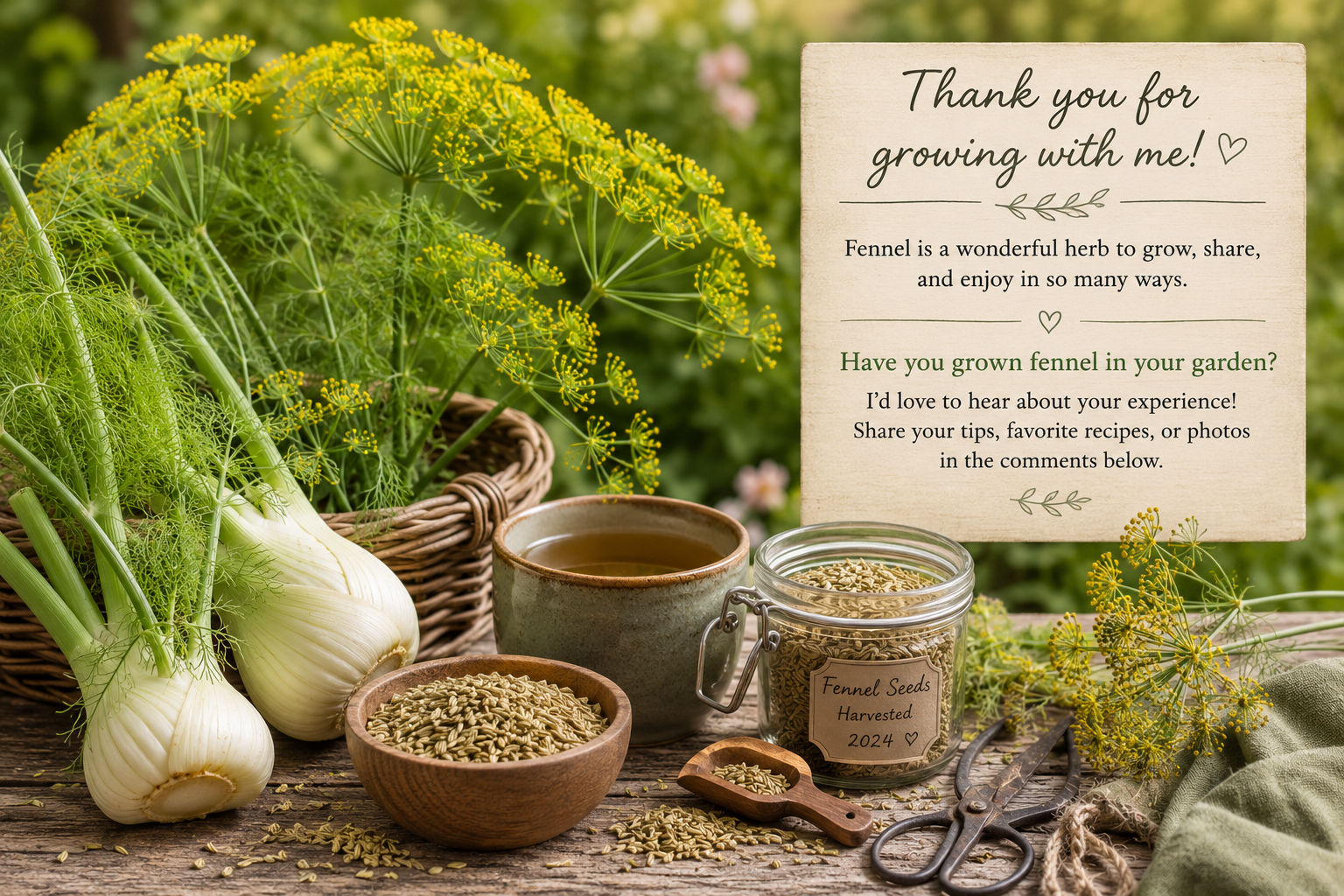
Fennel is a versatile and aromatic herb that has earned a place in gardens, kitchens, and traditional herbal practices for centuries. From its feathery foliage and bright yellow flowers to its flavorful bulbs and medicinal seeds, every part of the plant offers something valuable. Traditionally used to support digestion, respiratory wellness, and overall health, fennel continues to be appreciated for both its culinary and herbal benefits. Whether you're growing it in the garden, brewing it into tea, adding it to recipes, or saving seeds for future harvests, fennel is a rewarding herb to explore.