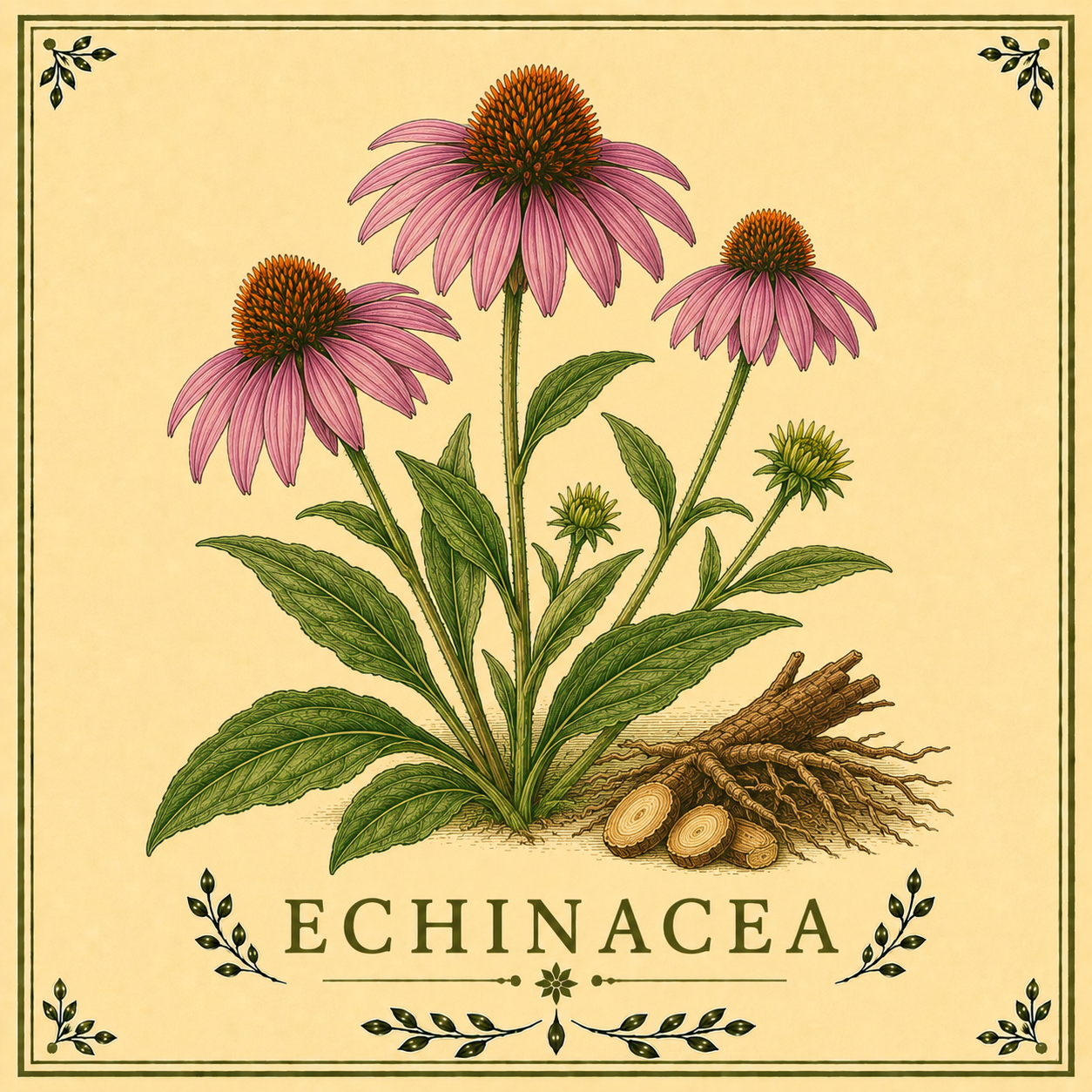
Echinacea is a beautiful and hardy perennial herb best known for its daisy-like purple blooms and long history in traditional herbal medicine. Native to the prairies and open woodlands of North America, echinacea has been treasured for centuries for both its healing properties and its ability to attract pollinators like bees and butterflies to the garden. Indigenous peoples, including the Plains tribes, traditionally used echinacea for a wide range of ailments, from infections and sore throats to wounds and toothaches, making it one of the most respected medicinal plants in North American herbal history. Today, gardeners continue to grow echinacea not only for its striking beauty but also for its many herbal uses. The roots, flowers, and leaves are commonly used in teas, tinctures, salves, and infused remedies that support the immune system and overall wellness. Easy to grow and wonderfully resilient, echinacea is a rewarding addition to both medicinal herb gardens and cottage-style landscapes, offering beauty, pollinator support, and natural healing all in one plant.
Medicinal Uses & Health Benefits
Immune Health
Coneflower
echinacea
Instructions
Ingredients
Echinacea is best known for its ability to support the immune system and help the body respond to seasonal illnesses naturally. The plant contains active compounds such as alkamides, polysaccharides, and antioxidants that are believed to stimulate immune activity and support the body’s natural defenses.
Many people use echinacea at the first signs of a cold, sore throat, or seasonal illness because it may help the immune system respond more efficiently. Some studies suggest that echinacea can help reduce the severity and duration of common cold symptoms, especially when taken early. Herbalists traditionally use it to support the body during times of stress, fatigue, or increased exposure to illness.
Echinacea is thought to work by encouraging the activity of white blood cells, which help fight infections and remove harmful pathogens from the body. Its natural anti-inflammatory and antioxidant properties may also help calm irritation and support overall wellness while the immune system is under strain.
Echinacea Tea Recipe
This soothing herbal tea is commonly enjoyed during cold and flu season to help support immune health and overall wellness. It has a slightly earthy, floral flavor and pairs beautifully with honey and lemon.
1–2 teaspoons dried echinacea root, leaves, or flowers
1 cup hot water
Honey, to taste
Lemon slice (optional)
For an extra comforting immune-support blend, try adding:
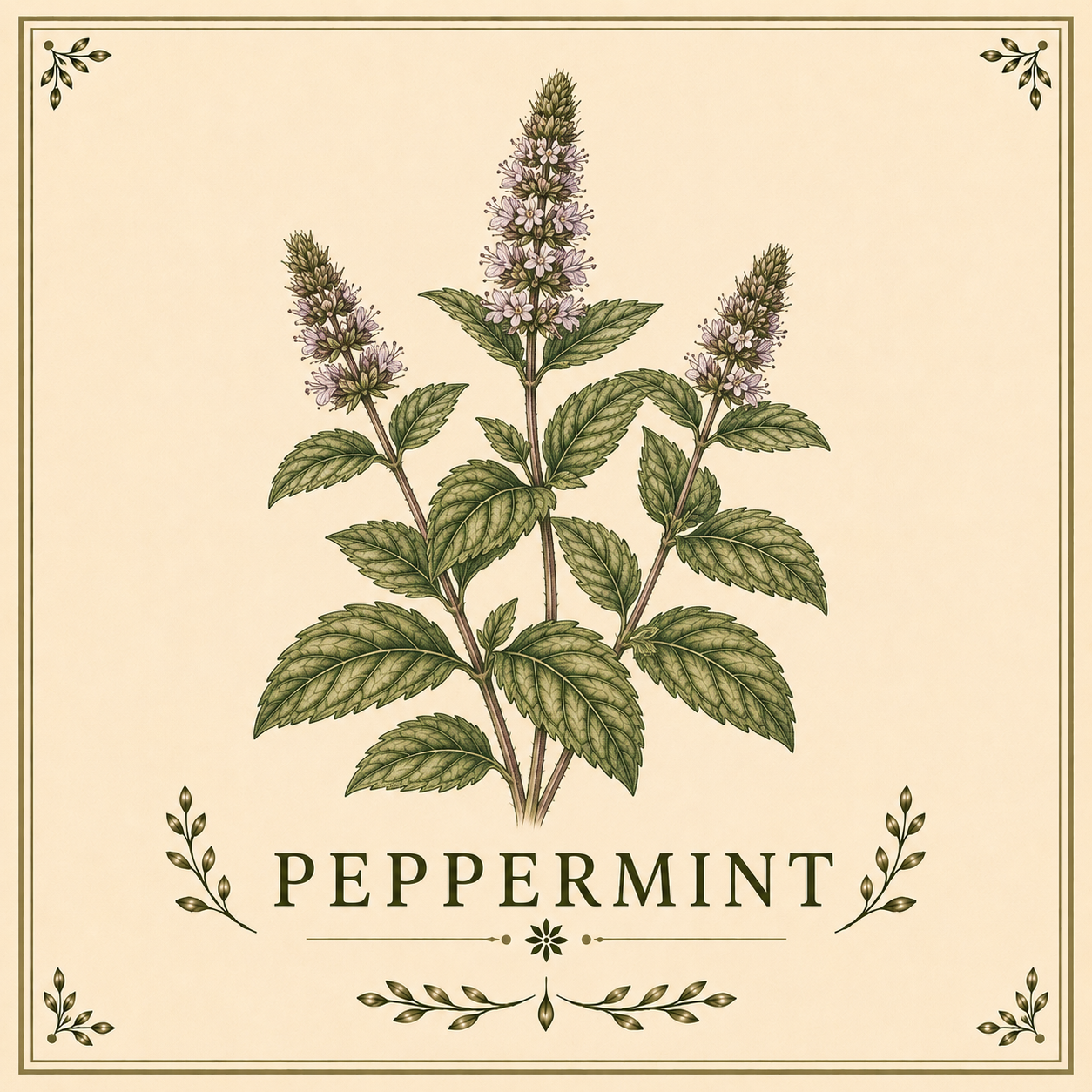
Peppermint leaves
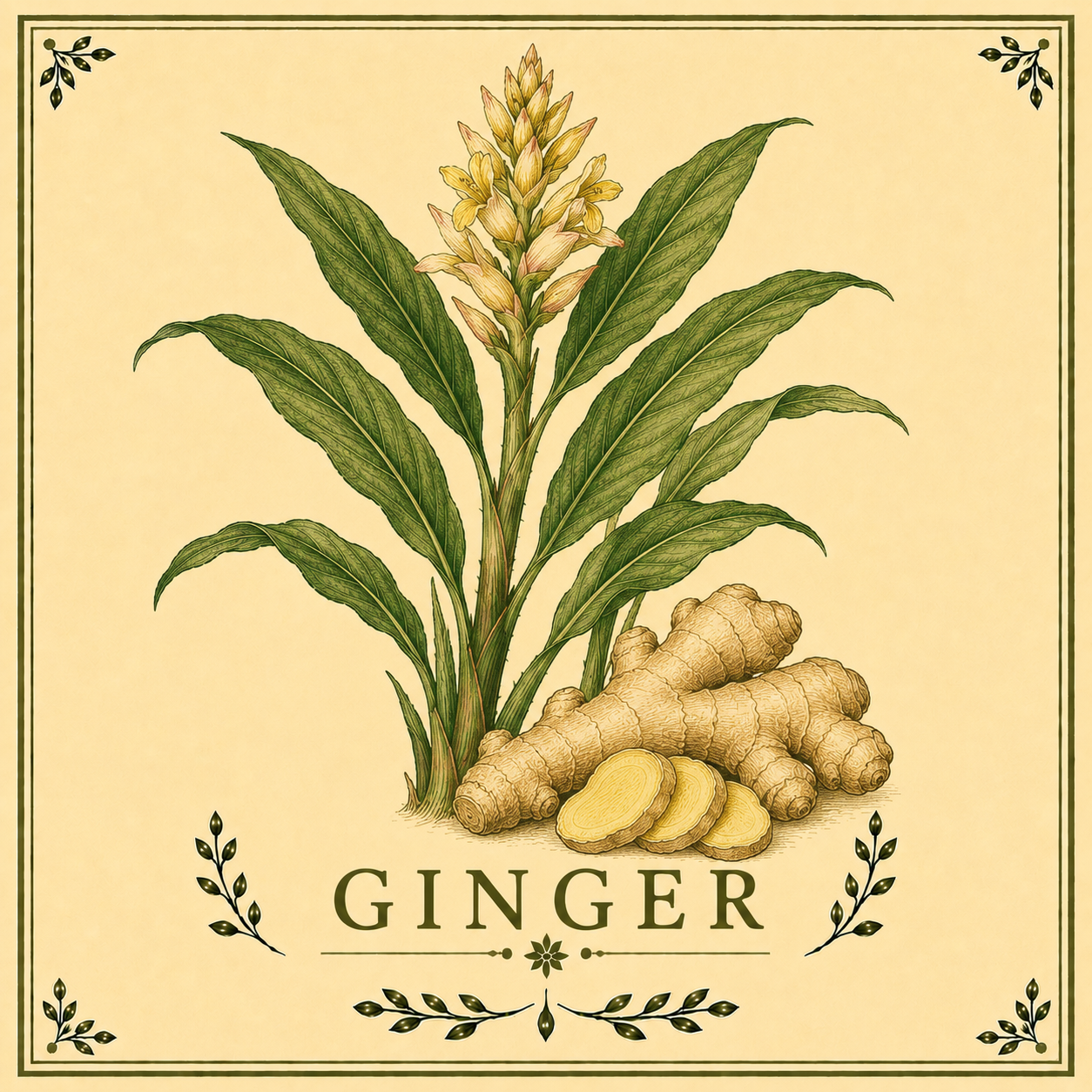
Ginger slices
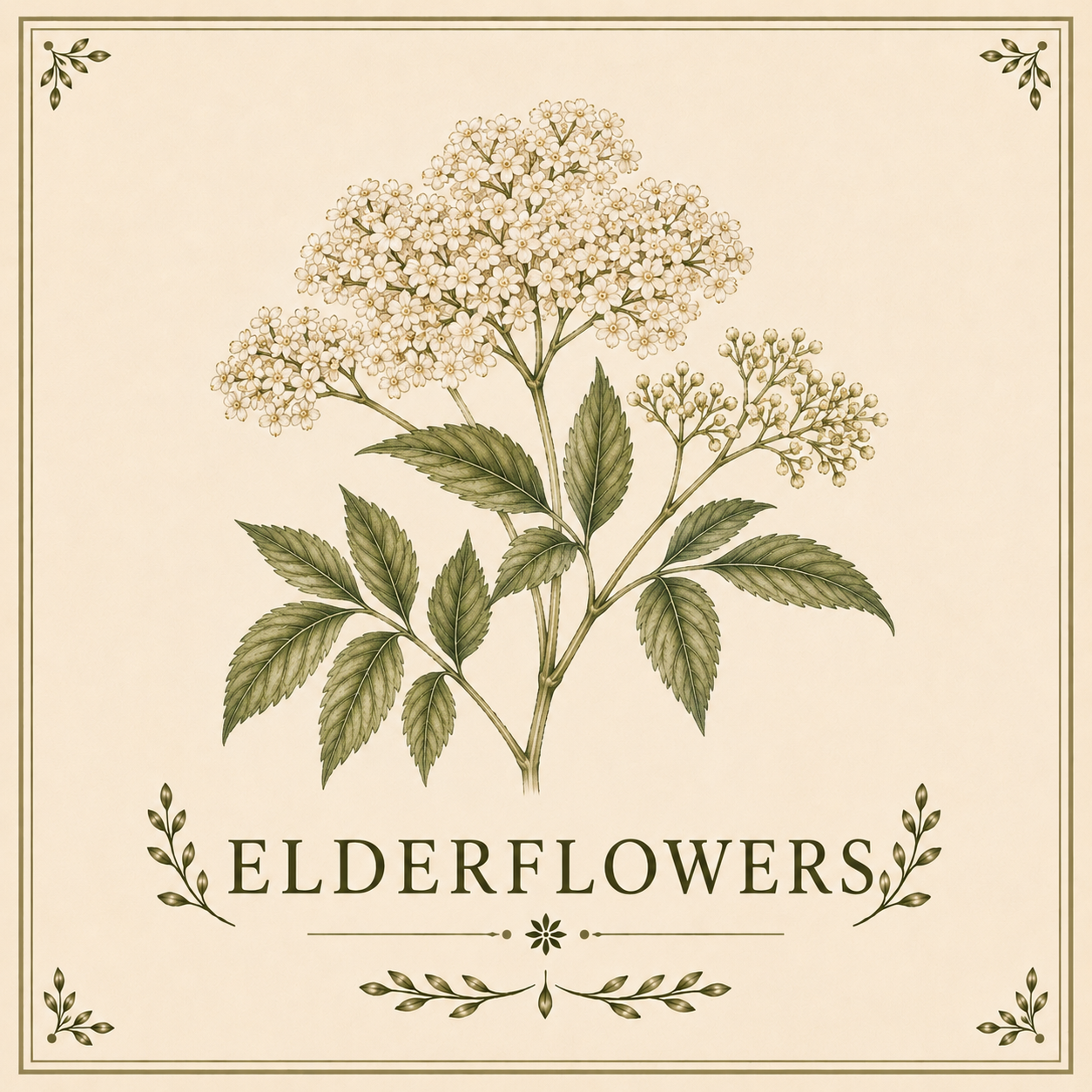
Elderberries
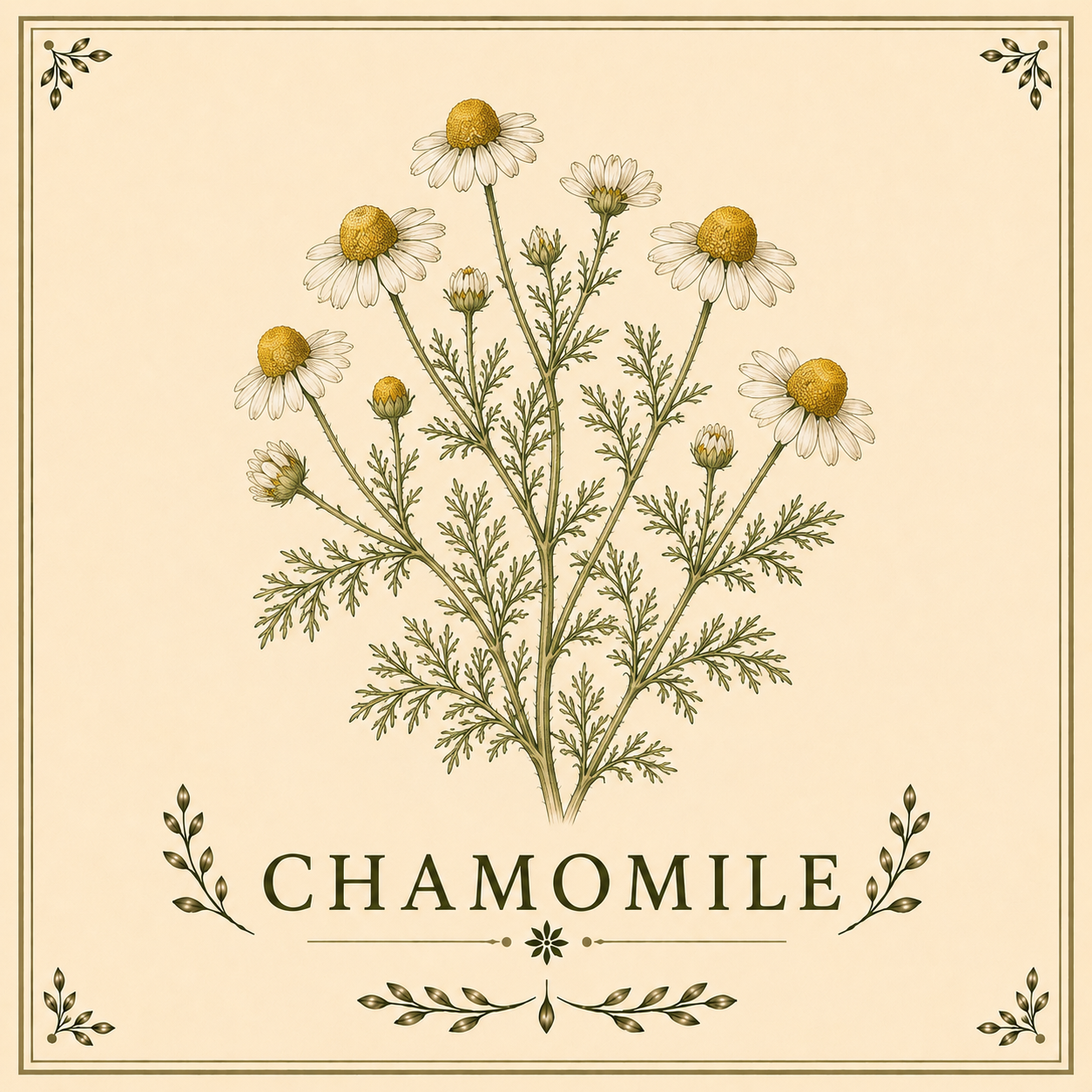
Chamomile flowers
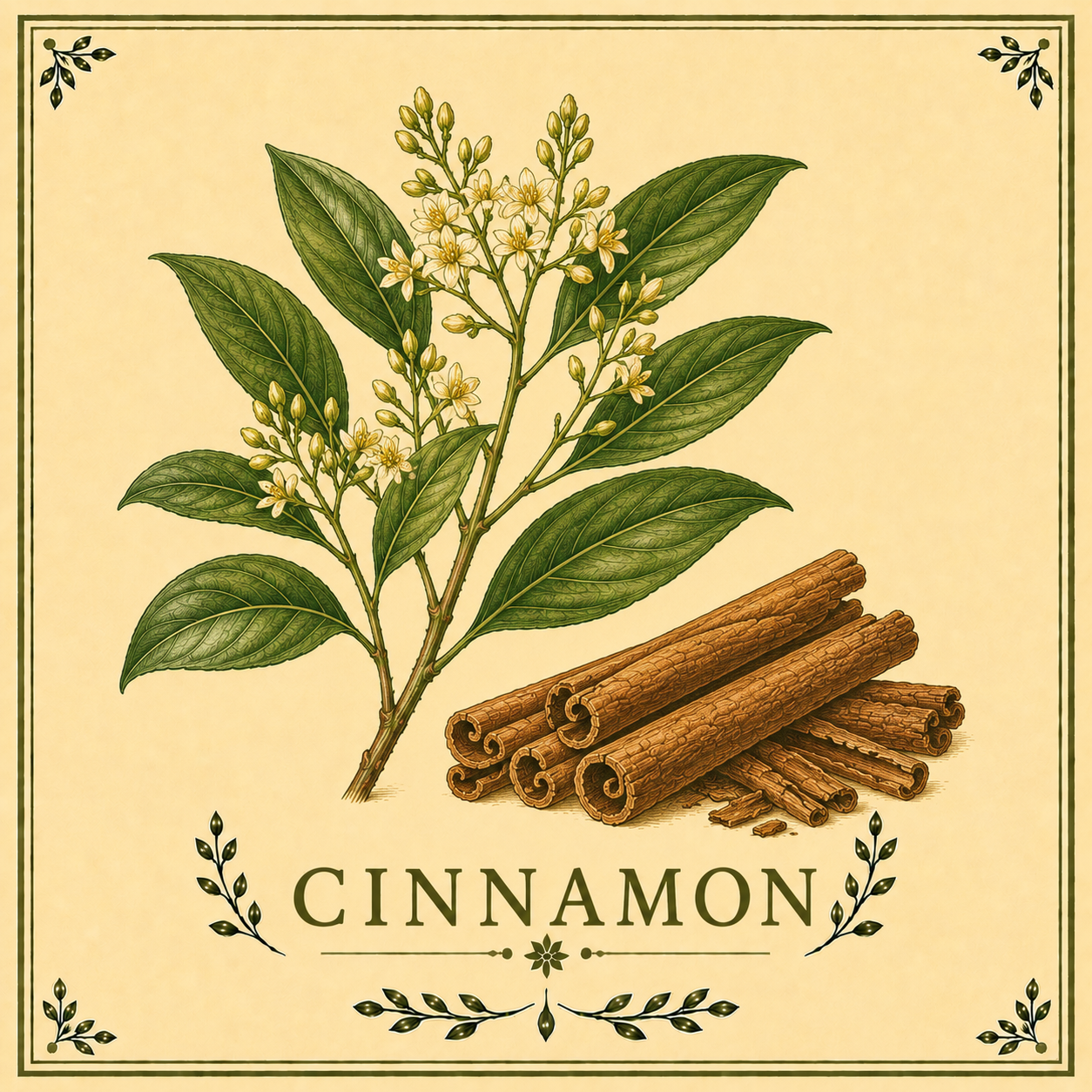
Cinnamon stick
Bring water to a gentle boil.
Place the dried echinacea into a tea infuser, teapot, or mug.
Pour the hot water over the herbs.
Cover and steep for 10–15 minutes.
Strain the tea if needed.
Add honey or lemon to taste and enjoy warm.